Bike tour
Castles of the Loire River - 8 Day Royal Loop
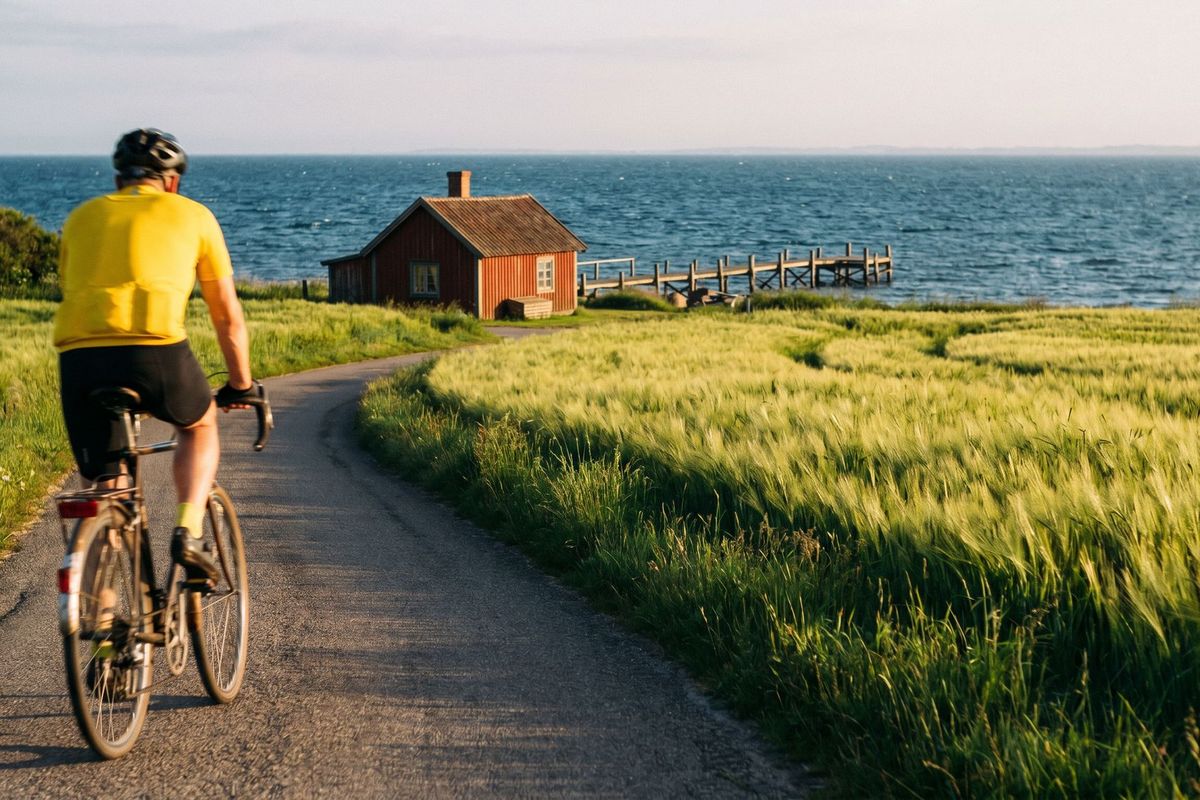
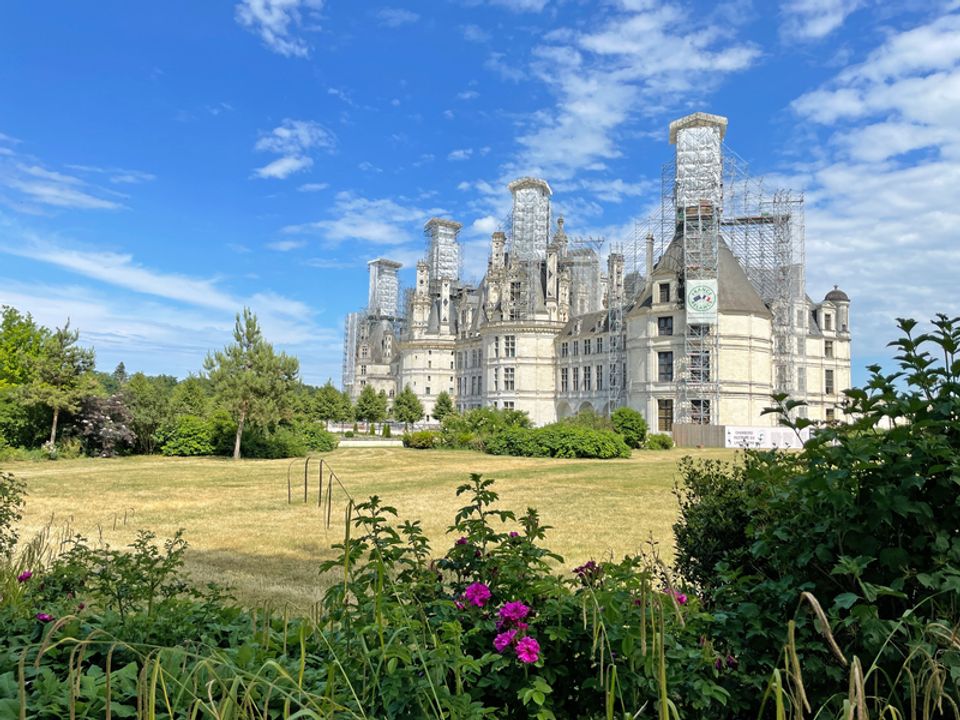
Cycle through the Loire Valley discovering its famous châteaux, vineyards and river landscapes on this 8 day cycling holiday from Blois.

Rob
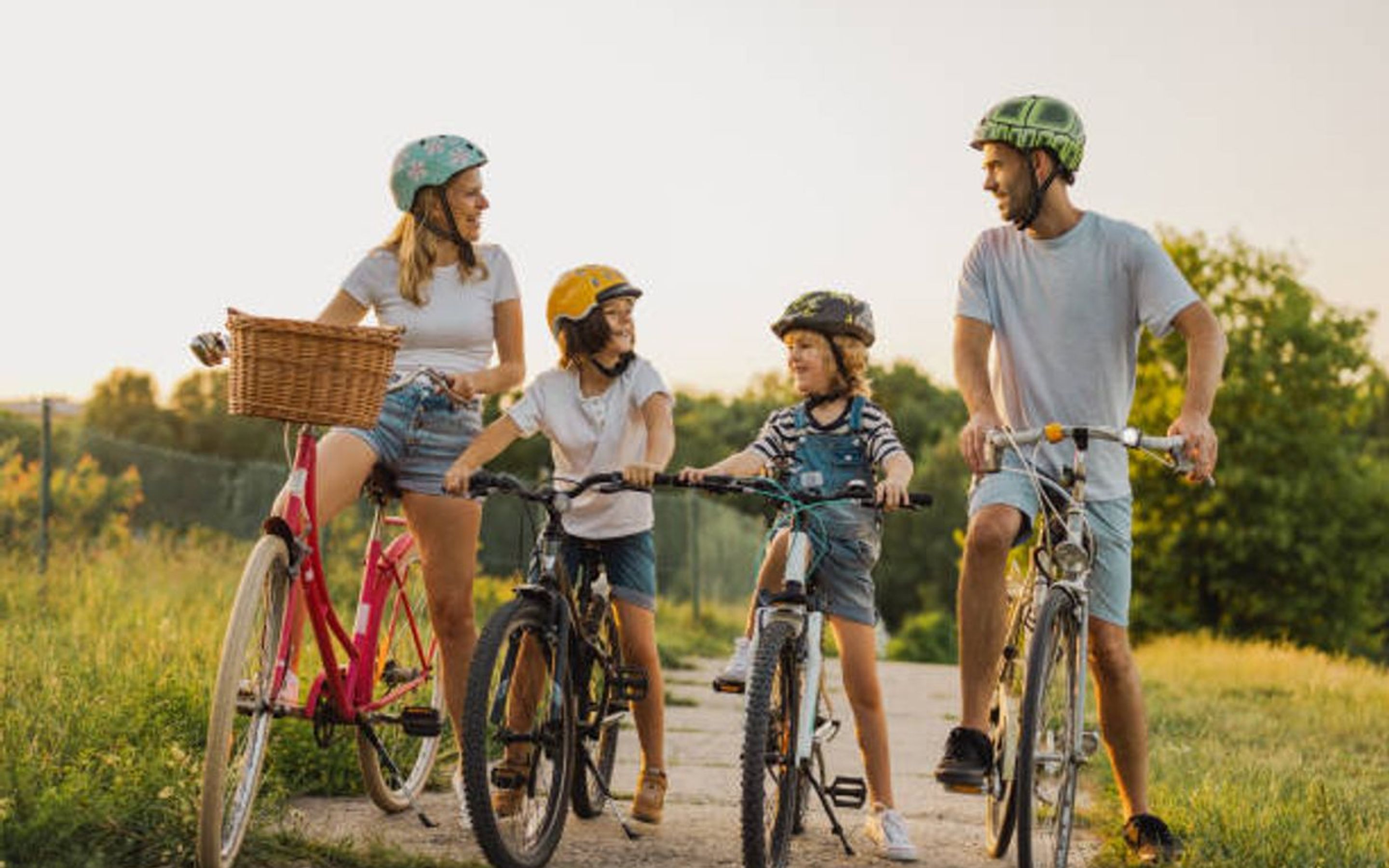
Cycling holidays with children create extraordinary family memories, shared adventures, daily achievements, and genuine connection impossible during screen-dominated daily life. Yet planning successful family cycling requires different considerations than adult tours. Distance capabilities vary wildly by age, accommodation needs differ, and maintaining enthusiasm across varying energy levels demands strategy. This comprehensive guide helps families plan cycling holidays where everyone, from six-year-olds to grandparents, returns home with positive memories and requests for next year's adventure.
Young children can cycle 15-25 kilometres daily on flat terrain with frequent breaks. Attention spans remain limited, so routes must include interesting stops every 30-45 minutes; playgrounds, ice cream shops, swimming spots, or attractions capturing imagination.
Equipment: Bikes with 20-24" wheels, potentially with training wheels transitioning off. Tag-along bikes (trail-a-bike) attach to adult bikes, allowing children to pedal or coast when tired. Bike seats or trailers work for very young siblings.
Realistic expectations: Half-day cycling maximum. Mornings work best before heat and fatigue set in. Alternate cycling days with rest/activity days preventing burnout.
Best routes: Completely flat dedicated cycle paths (Loire Valley, Dutch routes, Danube paths). Traffic-free essential at this age.
Cycle through the Loire Valley discovering its famous châteaux, vineyards and river landscapes on this 8 day cycling holiday from Blois.
Pre-teens manage 25-40 kilometres daily with proper pacing and motivation. Competitiveness emerges - some thrive on "we've done X kilometres!" achievement tracking, while others prefer focusing on destinations and rewards.
Equipment: Adult-sized bikes (smaller frames, 26" wheels). Ensure professional fitting, poor bike fit causes discomfort ending enthusiasm quickly. Gears essential for varied terrain.
Motivation strategies: Daily goal charts, achievement rewards, special treat stops, allowing route choice input. Involve children in planning, choosing between two routes or selecting lunch spots creates ownership and enthusiasm.
Best routes: Flat to gently rolling terrain. Loire Valley, Danube Path, Netherlands, Lake Constance. Short daily distances allowing ample stop time.
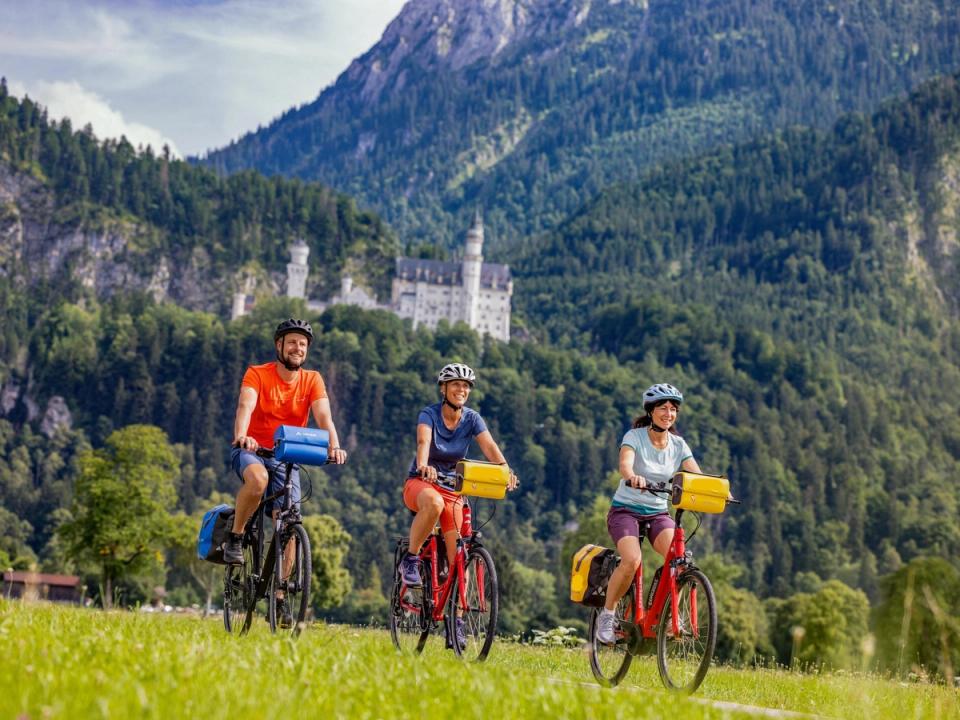
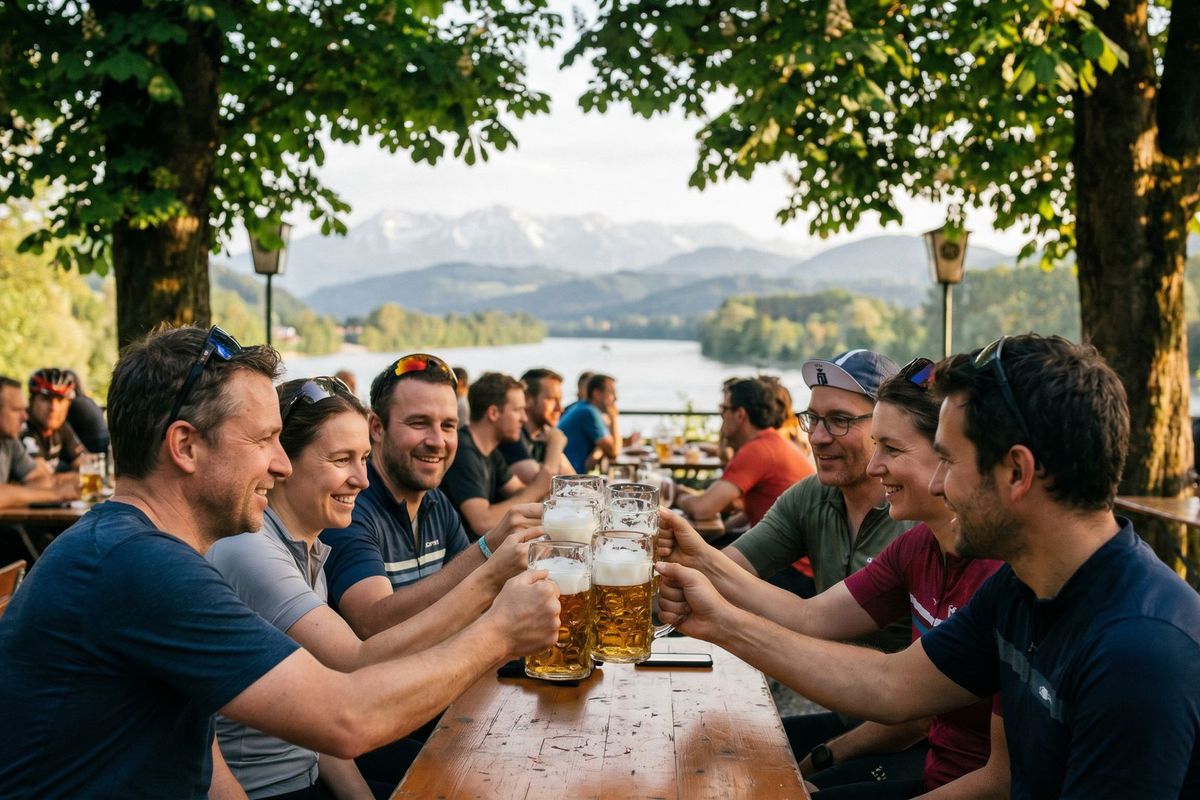
Discover Bavaria by bike from Lake Constance to Königssee. Ride past lakes, castles, and charming Alpine villages.
Teenagers handle 40-60 kilometres daily and can tackle moderate hills with appropriate gearing. Physical capability increases significantly, though motivation varies, some embrace challenges while others resist family activities generally.
Equipment: Full adult bikes, proper fitting critical. Consider better-quality bikes than younger children, teenagers notice and appreciate equipment quality.
Engagement strategies: Allow bringing friends, offer phone/music privileges during cycling, incorporate teenager interests (photography stops, specific cultural sites), give route navigation responsibilities.
Best routes: More varied terrain accessible. Tuscany, Provence, Austrian lakes, Mallorca (easier sections). Balance challenge with success to maintain confidence and enthusiasm.
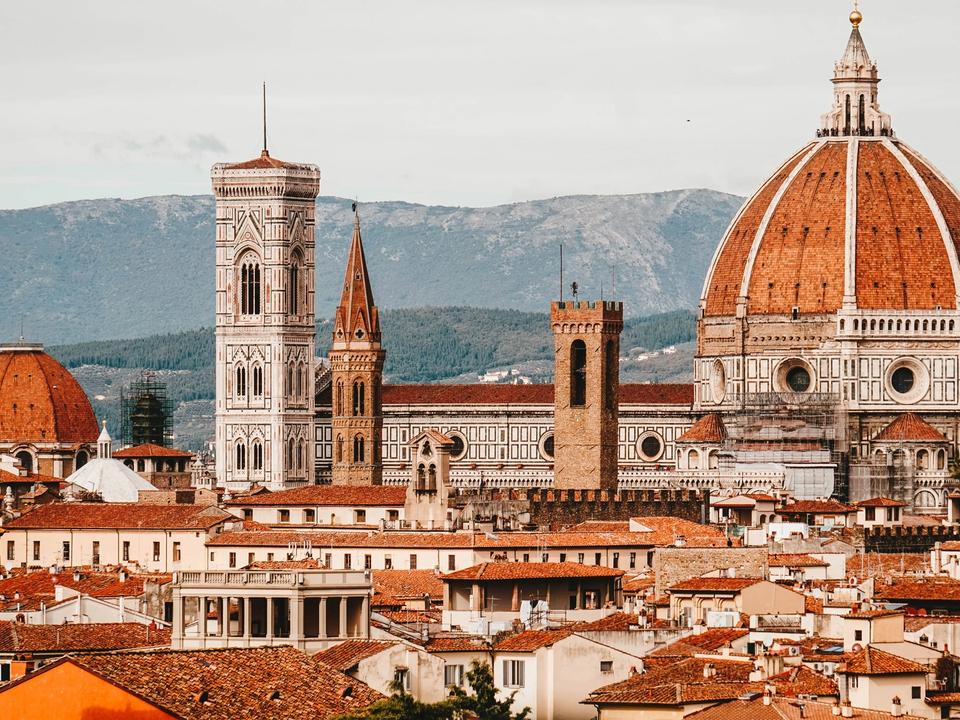
Cycle from Pisa to Florence in 5 days through Tuscan vineyards, olive groves and the grand villas of Lucca, finishing at the Ponte Vecchio.
Flat or gently rolling terrain: Hills exponentially increase difficulty and decrease enthusiasm. Save challenging routes for adult-only tours.
Traffic-free or minimal traffic: Dedicated cycle paths or extremely quiet rural roads. Anxiety about children's safety ruins parent enjoyment and creates genuine danger.
Frequent interesting stops: Châteaux, lakes for swimming, playgrounds, ice cream shops, attractions. Stops provide rest, motivation, and memories beyond cycling itself.
Flexible daily distances: Routes allowing shortened days when energy wanes or extended stops when particularly engaged.
Support vehicle access: Even on self-guided tours, knowing support vehicles can collect tired children provides essential safety net.
Loire Valley, France: Absolutely ideal for families. Flat, traffic-free Loire à Vélo path, château stops every 10-20km, excellent infrastructure, safe swimming spots, and countless picnic locations.
Danube Cycle Path, Austria: Dedicated path, completely flat, riverside swimming, charming villages, ice cream shops galore. Perfect infrastructure and safety.
Netherlands: The world's safest cycling. Flat, extensive dedicated paths, fascinating stops (windmills, cheese factories, tulip fields), child-focused attractions throughout.
Lake Constance, Germany/Austria/Switzerland: Circular lake route, mostly flat, swimming stops, boat trips breaking up cycling, safe infrastructure.
Algarve, Portugal: Coastal Ecovia route, flat, beach stops, warm weather, affordable, less crowded than northern options.
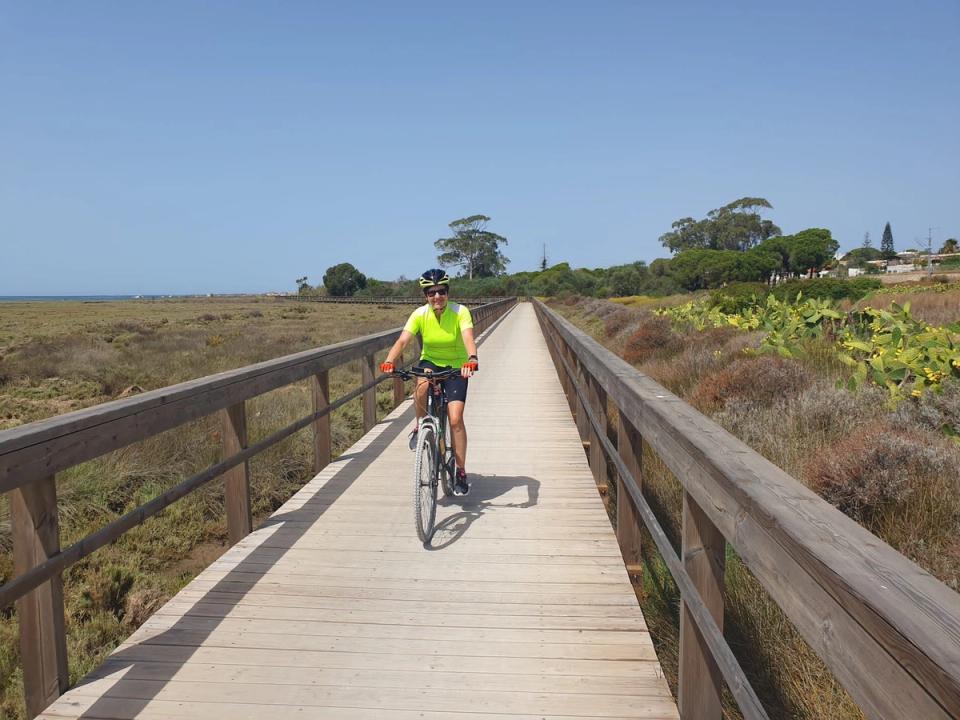
Cycle Portugal's Eastern Algarve: 4-day self-guided tour through Tavira, Olhão, and Ria Formosa, featuring coastal views and cultural stops.
Family rooms: Essential. Book accommodations offering family rooms (4+ beds) or connecting rooms. Many European hotels provide family-specific accommodations.
Swimming pools: Hotels with pools provide afternoon entertainment and exercise beyond cycling. Exhausted children swim happily while parents relax poolside.
Flexible dining: Accommodations with early dinner options or kitchenettes for simple meals. European late dining (8-9pm) exceeds young children's patience and scheduling.
Secure bike storage: Families with multiple bikes need proper storage facilities. Verify storage capacity when booking.
Rent vs. bring bikes: For families, renting bikes usually makes sense. Flying with multiple children's bikes creates logistical nightmares and significant expense. Quality rental bikes ensure proper sizing as children grow.
Trailers and tag-alongs: Younger children or siblings benefit from bike trailers (carrying 1-2 small children) or tag-along bikes. These allow participation when tired while keeping families together.
Panniers vs. luggage transfer: Luggage transfer essential for family tours. Carrying bags while managing children's needs and safety proves overwhelming.
Shorter days than adult tours: Plan 15-30km for young children, 25-40km for pre-teens, 40-60km for teenagers. Build rest days into week-long tours.
Morning cycling: Start early, finish by early afternoon. Mornings provide freshest energy and coolest temperatures. Afternoons allow swimming, sightseeing, or resting.
Frequent breaks: Stop every 45-60 minutes for snacks, restrooms, stretching. Breaks prevent fatigue accumulation and maintain enthusiasm.
Flexibility: Accept some days will go perfectly while others challenge everyone. Patience, flexibility, and willingness to modify plans prevents frustration overwhelming enjoyment.
Daily rewards: Ice cream stops, swimming breaks, playground visits. Immediate rewards motivate better than distant end-of-tour promises.
Achievement tracking: Sticker charts, distance logs, or photograph collections. Visual progress representation appeals to children's concrete thinking.
Special privileges: Choosing dinner restaurant, selecting next day's route, earning screen time. Involvement creates ownership and motivation.
Properly fitted helmets: Non-negotiable for all family members. Replace after any impact.
High-visibility clothing: Bright colours or reflective elements ensure visibility.
Bike lights: Even for daytime cycling, lights increase visibility significantly.
First aid kit: Carry comprehensive kit including children's pain relievers, antiseptic, bandages, blister treatment.
Establish clear rules: Riding order (adults front and back, children middle), hand signals, stopping protocols, staying together rules.
Practice before tours: Test rules during local rides ensuring everyone understands and follows safety procedures.
Regular check-ins: Frequently verify everyone remains comfortable, hydrated, and injury-free.
Not all children suit cycling holidays at all ages. Honest assessment prevents miserable experiences:
Warning signs: Persistent resistance to local cycling, inability to maintain attention for 30+ minutes, poor bike handling skills, extreme anxiety about cycling.
Alternatives: Consider child-care arrangements for very young children, half-day cycling with afternoon childcare, or delaying family cycling tours until children reach appropriate ages and interest levels.
Successfully planned family cycling holidays create bonds and memories lasting lifetimes. Children develop confidence, resilience, and appreciation for active travel. Families disconnect from screens and daily routines, reconnecting through shared challenge and achievement.
Years later, children remember those cycling holidays; the gelato stops, swimming breaks, château explorations, and evenings spent together rather than in separate rooms on screens. The investment in planning and patience pays dividends in family connection and children's development far exceeding the effort required.
Start planning your family cycling adventure today