Bike tour
Picturesque Provence
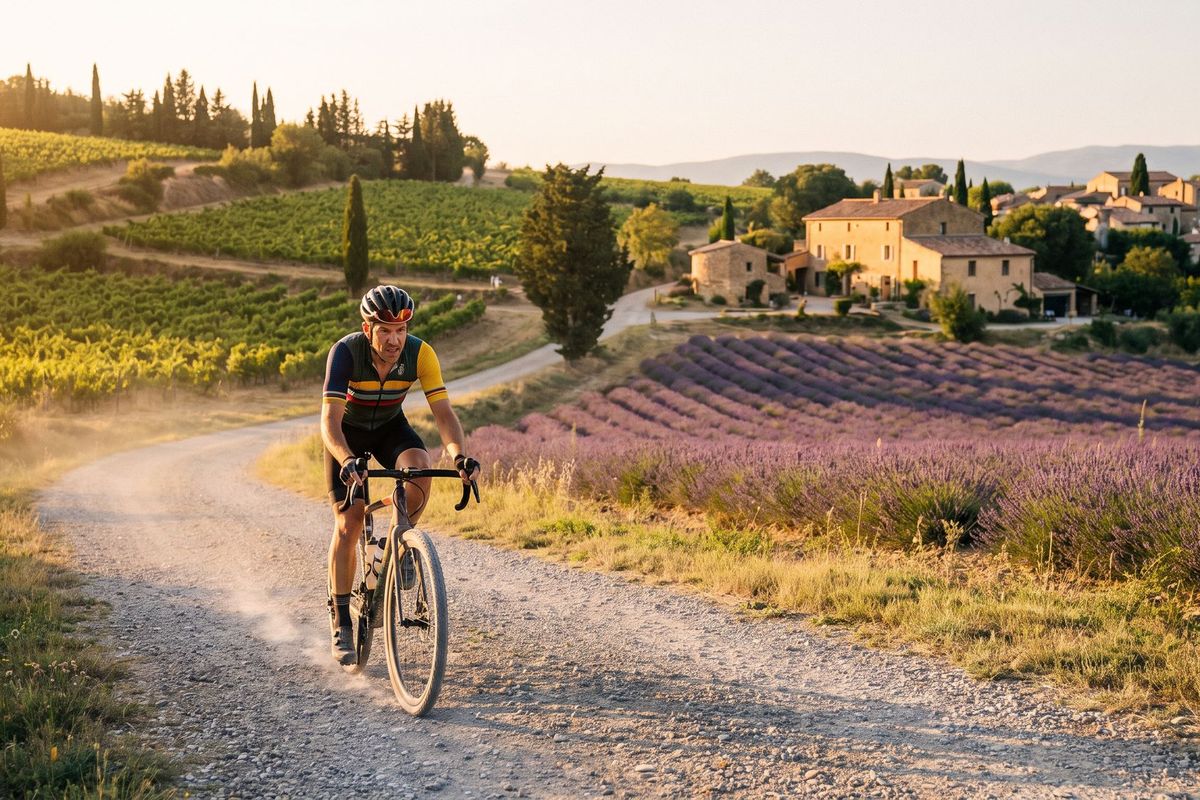
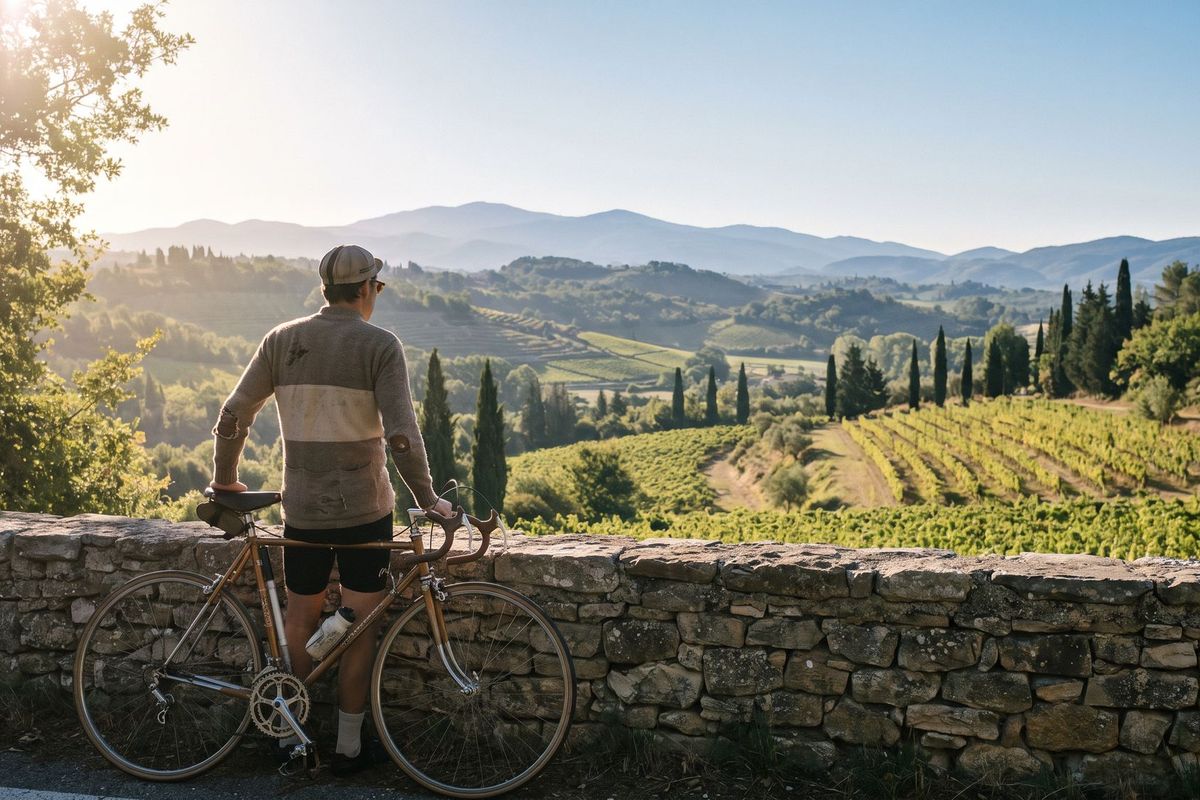
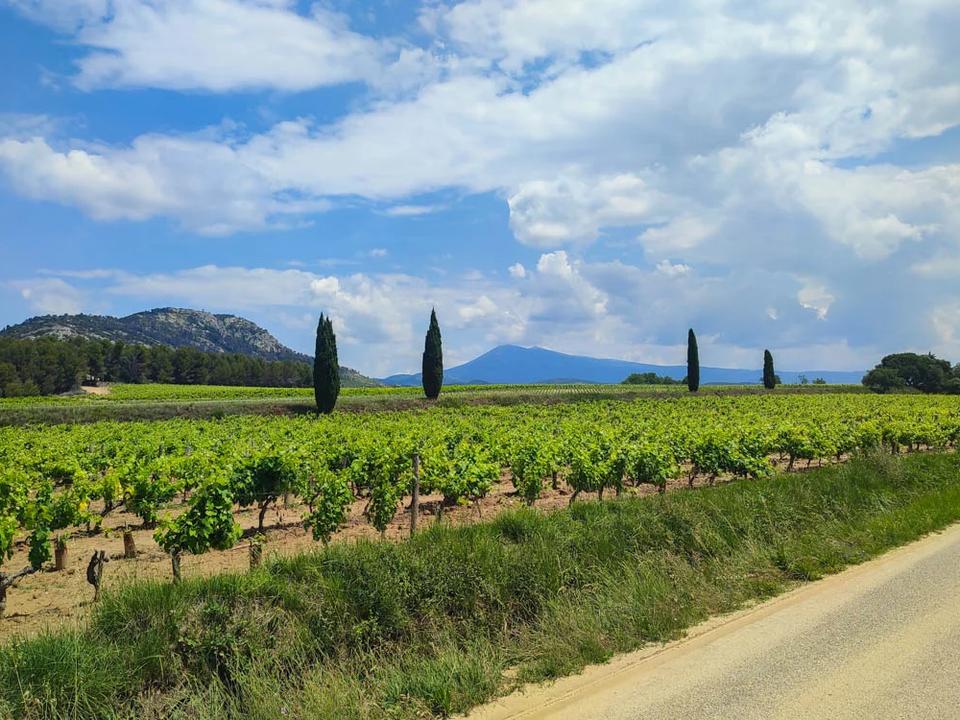
Cycle through the heart of Provence on quiet routes linking Orange, Avignon, Saint Rémy and L’Isle sur la Sorgue. Roman history, vineyard landscapes and classic Provençal towns, all at an unhurried pace.

Rob
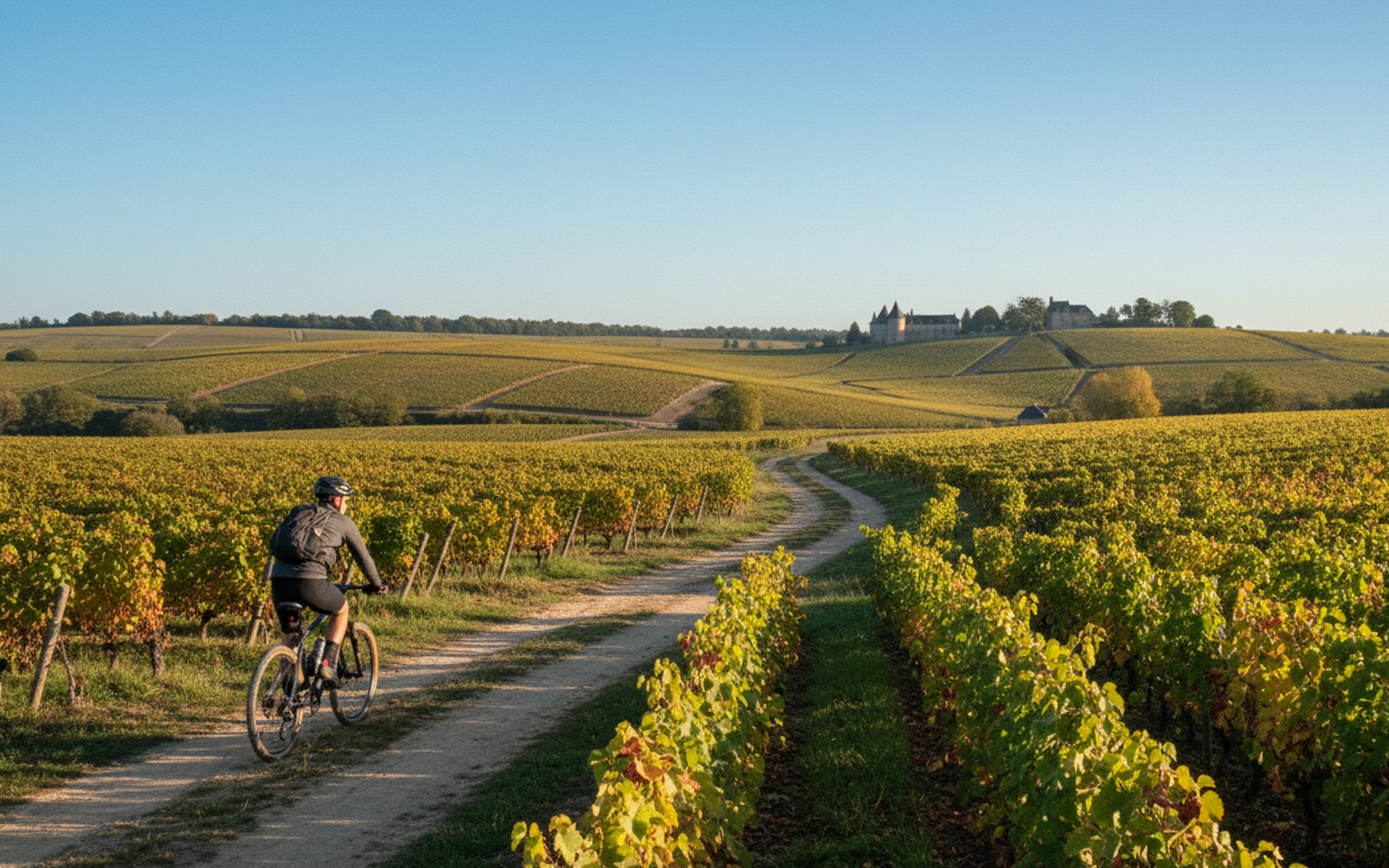
With over 17,000 kilometres of dedicated cycling infrastructure and landscapes ranging from Atlantic coastlines to Alpine passes, France offers a cycling option for absolutely every ability and ambition. This guide maps out the most diverse cycling routes in France, so whether you want a gentle riverside meander or a legendary col climb, you'll find exactly where to go.
Learning cycling routes France doesn't have to be complicated. France has transformed into a cyclist's paradise, offering everything from gentle vineyard paths to gruelling Alpine climbs that challenge even seasoned riders. With over 17,000 kilometres of dedicated cycling infrastructure and the government's ambitious €2 billion cycling development plan, the country now rivals traditional cycling powerhouses like the Netherlands and Denmark.
The cycling routes France offers span dramatic coastlines, rolling countryside, and historic cities, each presenting unique terrain and cultural experiences. Whether you're seeking a leisurely family adventure through Provence's lavender fields or an adrenaline-pumping descent through the Pyrenees, France's cycling network accommodates every skill level and preference.
Cycle through the heart of Provence on quiet routes linking Orange, Avignon, Saint Rémy and L’Isle sur la Sorgue. Roman history, vineyard landscapes and classic Provençal towns, all at an unhurried pace.
This diversity stems from France's varied geography and rich cycling heritage, creating opportunities that range from flat canal towpaths perfect for beginners to technical mountain passes that test professional cyclists. The country's commitment to cycling tourism has resulted in well-marked routes, cyclist-friendly accommodations, and support services that make planning your perfect cycling holiday both straightforward and exciting.
Understanding your options is crucial for selecting the ideal cycling experience that matches your abilities and interests.
Selecting the ideal cycling route in France depends on matching your abilities and interests with the terrain and cultural experiences available. Skill level assessment forms the foundation of this decision-making process, as France's cycling infrastructure accommodates everyone from casual tourists to competitive athletes.
The country's diverse topography creates distinct cycling personalities across regions. Coastal areas like Brittany and the Loire Valley offer gentle, rolling terrain perfect for leisurely exploration, while the Alps and Pyrenees challenge experienced cyclists with demanding mountain passes. Between these extremes lie countless options, from vineyard paths in Burgundy to canal towpaths through historic towns.
Duration and logistics significantly influence route selection. Weekend trips favour well-connected regions with reliable transportation links, while longer holidays allow for ambitious cross-country adventures. Consider accommodation preferences, whether camping, B&Bs, or luxury hotels, as this affects which best places to cycle France become practical options for your specific needs.
Weather patterns vary dramatically across France's regions, making timing crucial for route selection. Mediterranean areas shine during shoulder seasons, while northern routes excel in summer months. This seasonal variation ensures year-round cycling opportunities, though planning around regional climate patterns maximises comfort and enjoyment.
Understanding these fundamental factors naturally leads to exploring France's systematic approach to long-distance cycling infrastructure.
France serves as a crucial hub within Europe's EuroVelo network, a comprehensive system of 17 long-distance cycling routes that span the continent. This network transforms France into an ideal destination for long-distance cycling France adventures, with four major EuroVelo routes crossing French territory.
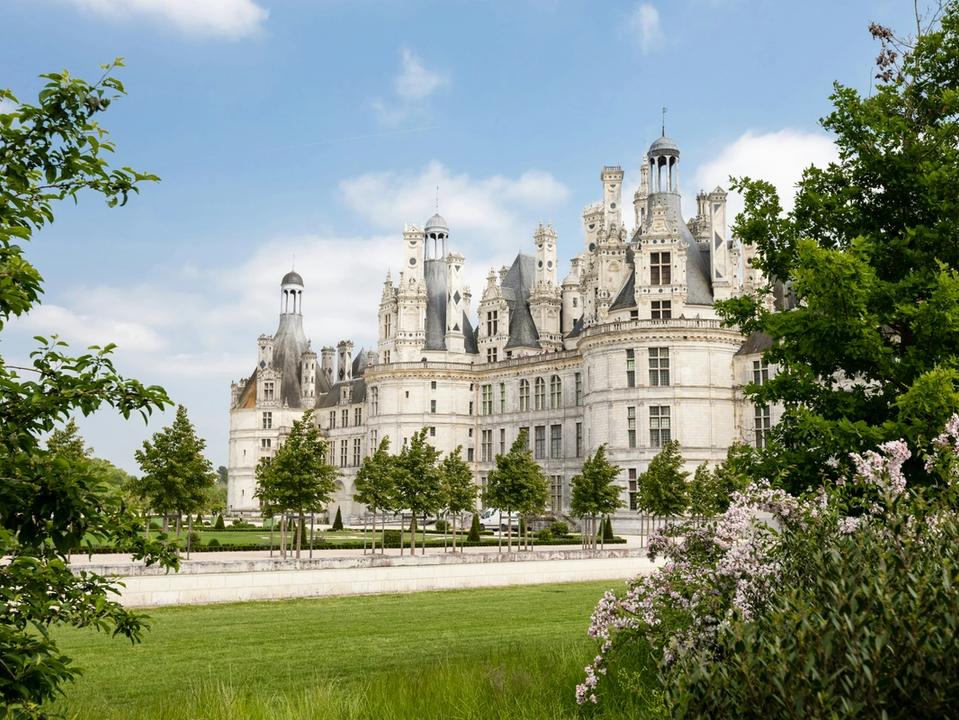
Cycle through the Loire Valley – Discover France’s most iconic châteaux, riverside paths, and historic towns on this relaxed, scenic bike tour.
The EuroVelo 1 Atlantic Coast Route follows France's western coastline for over 1,200 kilometres, while EuroVelo 3 connects Scandinavia to Santiago de Compostela through eastern France. EuroVelo 6, arguably the most popular, traces the Loire and Seine rivers, offering relatively flat terrain perfect for touring cyclists. Meanwhile, EuroVelo 8 hugs the Mediterranean coast, providing stunning coastal views.
These routes feature standardised signage, quality accommodations, and bike-friendly infrastructure that France has been systematically improving. The network connects seamlessly with local cycling paths, creating endless possibilities for customized itineraries.
What makes the EuroVelo system particularly valuable is its flexibility, cyclists can join or leave routes at multiple points, combining sections with regional circuits. This approach naturally leads many cyclists to explore France's most celebrated cycling regions, where dedicated routes like those in the Loire Valley offer concentrated cultural and scenic experiences.
The Loire Valley stands as France's most celebrated cycling destination, offering an unparalleled combination of cultural heritage and gentle terrain perfect for cyclists of all abilities. This UNESCO World Heritage region features over 800 kilometres of dedicated cycling paths, including sections of EuroVelo routes that connect seamlessly with the broader European network.
The valley's flat to gently rolling landscape makes it exceptionally accessible, with elevation gains rarely exceeding 100 meters per day on main routes. Cyclists can explore magnificent châteaux like Chambord and Chenonceau while following well-marked paths that wind through vineyards, medieval villages, and along the Loire River's banks.
What sets the Loire Valley apart is its comprehensive cycling infrastructure, featuring dedicated "Loire à Vélo" signage, regular bike rental stations, and cyclist-friendly accommodations every 15-20 kilometres. The region offers both structured itineraries and flexible exploration options, allowing riders to customise their journey based on interests in wine tasting, castle visits, or simply enjoying France's garden landscapes.
This cycling paradise perfectly demonstrates how thoughtful route planning can transform a simple bike ride into an immersive cultural experience, setting the stage for exploring other renowned French cycling regions.
Burgundy presents a compelling alternative to the more famous Loire Valley cycling routes, offering an equally rewarding experience through France's renowned wine country. This historic region combines gentle rolling terrain with exceptional cultural attractions, making it ideal for cyclists seeking both scenic beauty and gastronomic adventures.
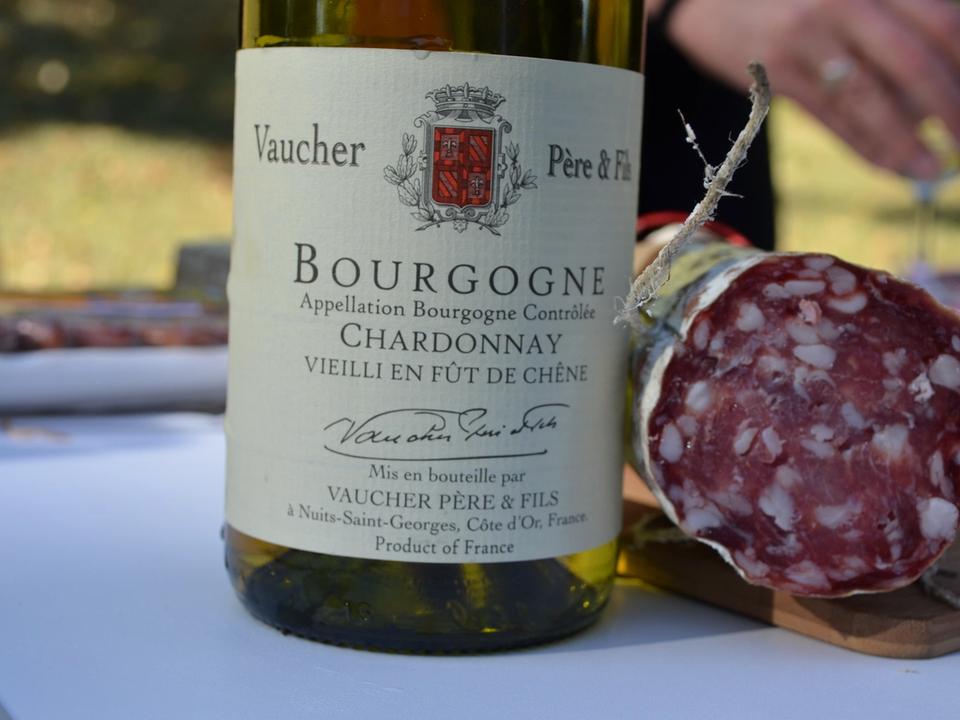
Luxury cycling holiday in Burgundy with scenic backroads, vineyard rides, exceptional food and wine, and stays in beautiful boutique hotels. Slow, indulgent, unforgettable.
The Burgundy Canal serves as the region's cycling backbone, featuring a dedicated towpath that stretches over 240 kilometres from Migennes to Chalon-sur-Saône. Unlike the châteaux-focused routes of Loire Valley cycling, Burgundy's paths wind through prestigious vineyards including Chablis, Côte d'Or, and Mâconnais, allowing cyclists to experience France's wine heritage firsthand.
What sets Burgundy apart is its village-to-village connectivity, with well-marked routes linking historic towns like Beaune, Dijon, and Auxerre. The terrain remains largely flat to gently undulating, making it accessible for recreational cyclists while offering enough variety to maintain interest. Many routes incorporate wine cellar visits and local markets, creating natural stopping points that enhance the cultural experience.
The region's cycling infrastructure continues to improve, with dedicated bike lanes connecting major wine estates and medieval villages, positioning Burgundy as an emerging rival to France's more established cycling destinations.
The French Alps represent the pinnacle of cycling challenge and scenic beauty in France, offering an entirely different experience from the gentler Burgundy cycling routes. These towering peaks provide some of Europe's most legendary climbs, including the Col du Galibier and Alpe d'Huez, which regularly feature in the Tour de France and attract thousands of cycling enthusiasts annually.
However, the Alps aren't exclusively for elite cyclists. The region offers graded difficulty levels across its extensive network of mountain passes, with easier valley routes providing stunning Alpine scenery without the punishing gradients. Many routes follow historic trade paths, winding through traditional mountain villages where cyclists can experience authentic Alpine culture and cuisine.
What sets Alpine cycling apart is the dramatic elevation changes and breathtaking panoramic views that reward every challenging climb. The region's well-maintained cycling infrastructure includes dedicated bike paths in valleys and clearly marked mountain routes with gradient indicators and safety points.
Whether you're seeking to conquer legendary Tour de France climbs or simply enjoy spectacular mountain scenery at a more leisurely pace, the French Alps deliver an unforgettable cycling experience that perfectly complements France's diverse cycling landscape.
Planning a successful cycling holiday in France requires careful consideration of your fitness level, preferred terrain, and seasonal timing. Start by honestly assessing your cycling experience; beginners should focus on Loire Valley routes or coastal paths, while experienced cyclists can tackle demanding French Alps cycling adventures.
Choose your timing strategically. Late spring through early fall offers the best weather conditions, with July and August being peak tourist season. For cooler temperatures and fewer crowds, consider May-June or September-October. Mountain regions like the Alps have shorter seasons due to snow, typically June through September.
Book accommodations well in advance, especially for popular routes. Many hotels and B&Bs along established cycling paths offer cyclist-friendly services including secure bike storage, laundry facilities, and early breakfast options. Consider whether you want a self-guided tour with pre-arranged luggage transfers or prefer the flexibility of carrying your own gear.
Research route difficulty and daily distances beforehand. A common pattern is planning 30-50 miles per day for recreational cyclists, allowing time to explore villages, sample local cuisine, and visit attractions along the way. Always have backup plans for weather delays or mechanical issues—French tourism offices provide excellent local cycling maps and alternative route suggestions.
With proper planning, your French cycling adventure becomes an unforgettable journey combining physical challenge with cultural immersion, though ensuring your safety and preparation receives equal attention.
Proper preparation is essential for a safe and enjoyable cycling experience, regardless of where to cycle in France. Start with equipment essentials: a properly fitted helmet, reflective clothing, and lights for visibility. France requires cyclists to carry specific safety items including a reflective vest when cycling outside urban areas and functioning front and rear lights during low-light conditions.
Physical preparation matters just as much as gear. Build your fitness gradually in the weeks before your trip, focusing on longer rides that match your planned daily distances. Research your chosen routes thoroughly, including elevation profiles and alternative shelter options in case of weather changes.
Pack a comprehensive repair kit with spare tubes, tire levers, a multi-tool, and a portable pump. Download offline maps to your phone as backup navigation, since GPS signals can be spotty in mountainous regions. Consider travel insurance that covers cycling activities, as standard policies often exclude sports-related incidents.
Most importantly, inform someone of your daily itinerary and expected return times. With France's €2 billion investment in cycling infrastructure creating safer routes nationwide, proper preparation ensures you'll make the most of these improved facilities while staying secure on your adventure.
Understanding how different cyclists approach France's diverse terrain helps illustrate the country's adaptability to various preferences and skill levels. These scenarios demonstrate how to match your cycling goals with the perfect French destination.
The Family Adventure Seeker might choose the Loire Valley's château circuit, combining gentle riverside paths with cultural discoveries. This approach offers 15-30 kilometre daily distances on mostly flat terrain, perfect for children and mixed-ability groups who want history alongside their cycling.
The Fitness Enthusiast could tackle Provence's challenging hill climbs, incorporating routes through lavender fields and medieval villages. These cyclists typically cover 60-80 kilometres daily, embracing France's mountainous regions for serious training opportunities.
The Leisurely Explorer often gravitates toward coastal paths like Brittany's rugged shoreline routes, where spectacular ocean views provide natural rest stops. This scenario emphasises scenic beauty over distance, allowing for spontaneous detours and extended café breaks.
The Wine Tourism Cyclist combines pedalling with vineyard visits in regions like Burgundy or Bordeaux, where specialised tour operators coordinate tastings with moderate cycling distances. This popular approach merges France's renowned wine culture with active exploration.
Each scenario showcases France's remarkable ability to accommodate different cycling philosophies, though certain practical considerations can influence your chosen experience.
While France offers exceptional cycling opportunities, several practical considerations can impact your experience. Weather variability presents the most significant challenge, with mountain regions experiencing sudden temperature drops and coastal areas facing strong winds during certain seasons. The Alps and Pyrenees remain inaccessible for cycling from December through March due to snow and ice conditions.
Infrastructure gaps still exist outside major tourist corridors. Rural areas may lack dedicated bike lanes, forcing cyclists to share narrow roads with agricultural vehicles and local traffic. Improvements remain concentrated in urban centers, leaving some countryside routes underdeveloped.
Language barriers can complicate navigation and emergency situations, particularly in remote regions where English isn't widely spoken. Additionally, seasonal overcrowding affects popular routes like the Loire Valley during peak summer months, potentially diminishing the peaceful cycling experience many seek.
Cost considerations include higher accommodation prices in tourist areas and mandatory equipment requirements in certain regions. However, these challenges shouldn't deter potential cyclists proper planning and realistic expectations transform potential obstacles into manageable aspects of your French cycling adventure.
France's cycling landscape represents one of Europe's most diverse and accessible destinations for cyclists of all abilities.
From the gentle Loire Valley routes perfect for families to the legendary Alpine climbs that challenge professional cyclists, France's terrain diversity ensures every cyclist finds their ideal experience. The extensive network of dedicated cycling paths, bike-friendly accommodations, and comprehensive support services creates an infrastructure that rivals any cycling destination globally.
The ongoing transformation is particularly evident in urban areas, where cities like Paris are implementing ambitious plans to become 100% cycling-friendly by 2026. This evolution means that cycling holidays in France will only become more accessible and enjoyable in the coming years.
Whether you're seeking a leisurely wine country tour, an epic mountain adventure, or a coastal exploration, France's cycling options provide the perfect blend of natural beauty, cultural richness, and practical infrastructure that makes every pedal stroke memorable.
This comprehensive overview of France's diverse cycling options draws from authoritative sources documenting the country's cycling infrastructure development and tourism initiatives. The information presented reflects current government policies, industry reports, and official tourism data.
Government and Policy Sources:
Industry Analysis and Data:
These sources provide the foundation for understanding France's position as a premier cycling destination and its continued investment in cycling infrastructure development.