Bike tour
Premium Danube Adventure: Passau to Budapest
Explore the Danube by bike and boat from Passau to Budapest, visiting Vienna, Bratislava and scenic villages along the way.

Rob
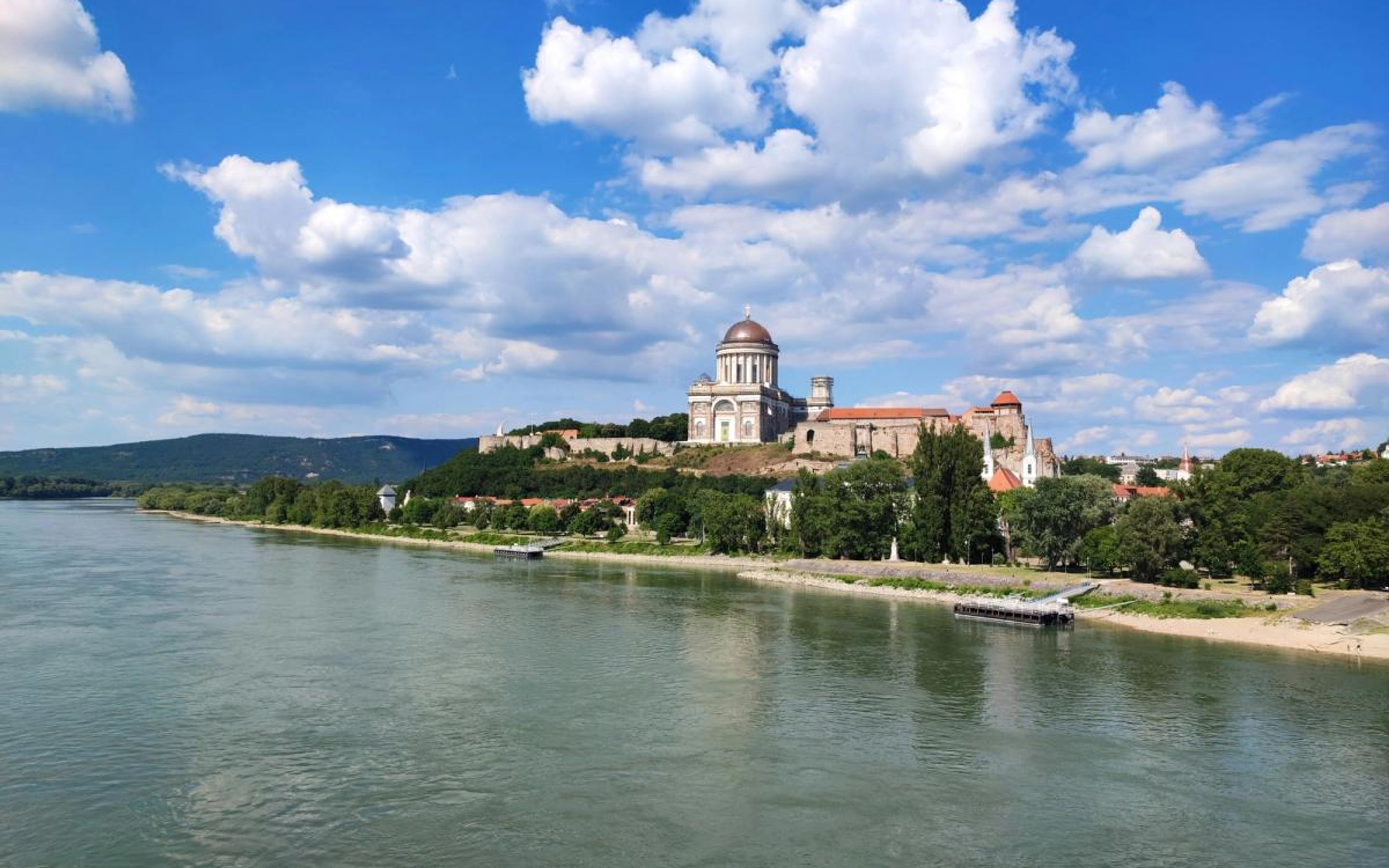
The Danube Cycle Path ranks among Europe's most popular and accessible long-distance cycling routes, following the continent's second-longest river through ten countries and 2,850 kilometres of stunning landscapes. From its source in Germany's Black Forest to the Black Sea delta in Romania, the Danube creates a cycling corridor connecting cultures, histories, and natural wonders. While few cyclists tackle the entire route, specific sections, particularly through Austria and Germany, deliver perfect cycling experiences combining flat terrain, excellent infrastructure, and spectacular scenery.
The Danube Cycle Path (Donauradweg) features dedicated, well-maintained cycle paths for most of its length through Germany and Austria. Clear signage using international symbols eliminates navigation stress, while riverside paths separate cyclists from motor traffic. Purpose built cycling facilities; rest areas, repair stations, and information points appear regularly along the route.
Cycling-specific accommodations proliferate along popular sections. Hotels and guesthouses cater explicitly to cyclists, providing secure storage, drying rooms, repair equipment, and packed lunches. This infrastructure allows cyclists to focus on enjoying landscapes rather than managing logistics.
The Danube's gentle downstream gradient creates predominantly flat or slightly downhill cycling. Serious climbs rarely appear along the main route, making the Danube ideal for families, seniors, and leisure cyclists. Even heavily loaded touring bikes handle the terrain comfortably.
This accessibility democratises long-distance cycling. Riders who'd struggle with Alpine routes or Tuscan hills successfully complete multi-day Danube sections, building confidence for future cycling adventures.
The Danube flows through European history Roman fortifications, medieval monasteries, baroque cities, and imperial capitals line its banks. UNESCO World Heritage sites appear regularly, from Wachau Valley vineyards to Regensburg's medieval center. This cultural density means cycling serves as pleasant transport between world-class attractions rather than the sole holiday focus.
This section represents the Danube's most popular and spectacular cycling. Austrian efficiency creates perfect infrastructure, while the Wachau Valley delivers stunning vineyard landscapes and baroque architecture.
Passau: The three-river city where Danube meets Inn and Ilz creates dramatic departure point. Baroque architecture and riverside position make Passau worth extended stays before cycling.
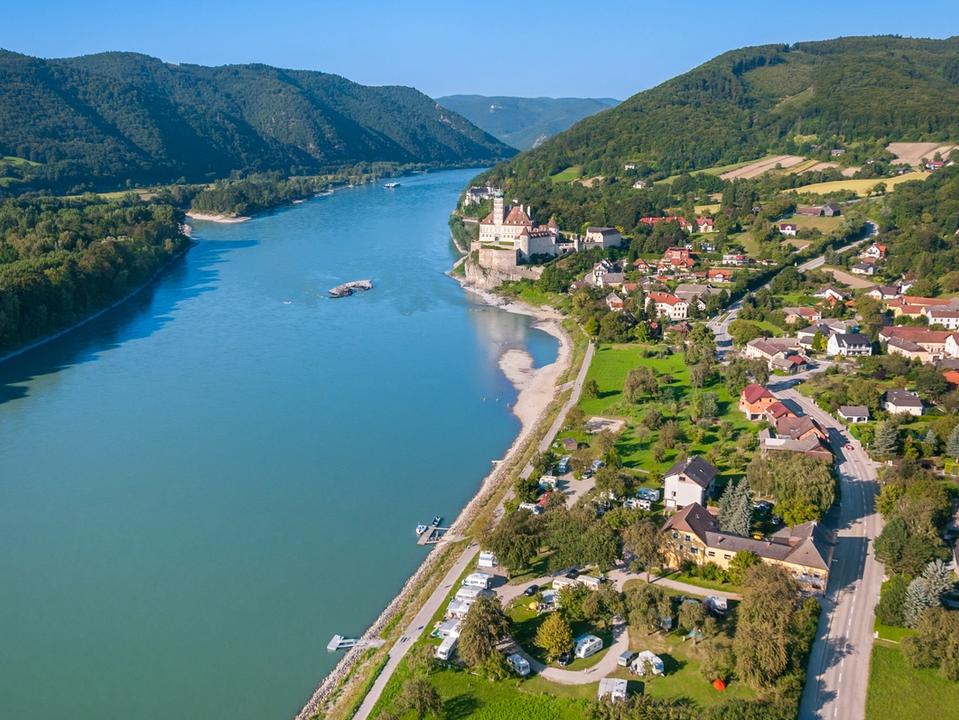
Wachau Valley (Melk to Krems): UNESCO-protected vineyard landscapes cascade down hillsides to the Danube. Medieval towns like Dürnstein preserve charm, while Melk Abbey dominates the valley from its clifftop position. Riesling and Grüner Veltliner wine tastings punctuate cycling days.
Vienna: The imperial capital provides cultural climax. Days exploring Habsburg palaces, world-class museums, and coffee house culture reward cycling efforts. Vienna also offers excellent transport connections for return journeys.
Distance: 330km
Duration: 5-7 days comfortable pace
Difficulty: Easy - flat with optional hillside town climbs
Best time: April-October
This German section complements the Austrian classic, adding medieval character and Bavarian culture. Regensburg's UNESCO old town provides historical depth, while the route passes through traditional Bavarian villages.
The landscape shifts from the Bavarian plains through increasingly dramatic gorge scenery approaching Passau. This section suits shorter trips or combines with Austrian sections for week-long tours.
Distance: 120km
Duration: 2-3 days
Difficulty: Easy - predominantly flat
Best time: May-September
Eastern sections reveal different Danube character; wider river, flatter landscapes, and emerging Central European culture. This route passes through Slovakia briefly before entering Hungary.
Budapest provides spectacular urban cycling destination. The Danube splits Buda's hills from Pest's plains, with iconic parliament buildings, thermal baths, and vibrant culture creating memorable conclusions to cycling adventures.
Distance: 320km
Duration: 5-6 days
Difficulty: Easy to moderate
Best time: April-October
Note: Infrastructure quality varies; some sections use roads rather than dedicated paths
The Iron Gates gorge where Danube cuts through Carpathian and Balkan mountains creates dramatic scenery. Massive dam installations and narrowing river create unique landscapes far from typical Danube cycling.
This section suits adventurous cyclists comfortable with less-developed infrastructure and occasional challenging sections. The relative remoteness and stunning gorge scenery reward those venturing beyond Western European comfort.
Distance: 230km through gorge section
Difficulty: Moderate - some climbing, variable infrastructure
Best time: May-September
Note: Requires more self-sufficiency than western sections
Spring Danube cycling offers moderate crowds, blooming landscapes, and comfortable temperatures (15-22°C). Austrian vineyards show fresh growth, while apricot blossoms colour Wachau Valley. Accommodation availability remains good without summer booking competition.
Some facilities open seasonally—verify operating dates for April departures. Weather variability requires flexible attitudes toward occasional rain.
Peak season brings guaranteed sunshine, longest daylight, and warmest temperatures (22-30°C). However, popular Austrian sections become crowded—book accommodations 3-4 months ahead. July-August heat occasionally makes midday cycling uncomfortable; early starts advised.
All facilities operate fully, and ferry services run complete schedules. The festive summer atmosphere and numerous river festivals add cultural interest.
Autumn rivals spring for optimal Danube cycling. Temperatures moderate (16-24°C), wine harvest activities fill vineyards, and tourist crowds thin dramatically. September delivers near-summer conditions; October brings autumn colours and harvest festivals.
Wachau Valley wine harvest creates special atmosphere. Estates welcome visitors enthusiastically, and new wine (Sturm) appears at taverns. Book early for harvest period weekends when demand surges.
Most cyclists ride downstream (west to east) benefiting from psychological advantage of slight downhill gradient and prevailing tailwinds. However, upstream cycling remains perfectly feasible—infrastructure serves both directions equally.
Downstream advantages:
Upstream advantages:
Book ahead during peak season (June-September), particularly for popular Austrian sections. May and October allow shorter booking windows, 4-6 weeks often suffices.
Luggage transfer services operate along popular routes, allowing cyclists to ride unencumbered while bags transfer between accommodations. This service significantly enhances comfort, particularly on multi-day tours.
Passau: Train connections from Munich (2 hours), Vienna (4 hours). Convenient international access.
Vienna: Major international airport and rail hub. Excellent connections throughout Europe.
Explore the Danube by bike and boat from Passau to Budapest, visiting Vienna, Bratislava and scenic villages along the way.
Budapest: International airport. Good train connections to Vienna and beyond.
Bike transport on trains varies by country and service. Reserve bike spaces when booking tickets. Some express trains require bike reservations; regional trains generally allow bikes without advance booking.
The Danube Cycle Path features excellent signage, green signs with white bicycle symbols and "Donauradweg" text mark the route. Supplementary maps or GPS tracks provide reassurance but aren't strictly necessary along well-marked Austrian and German sections.
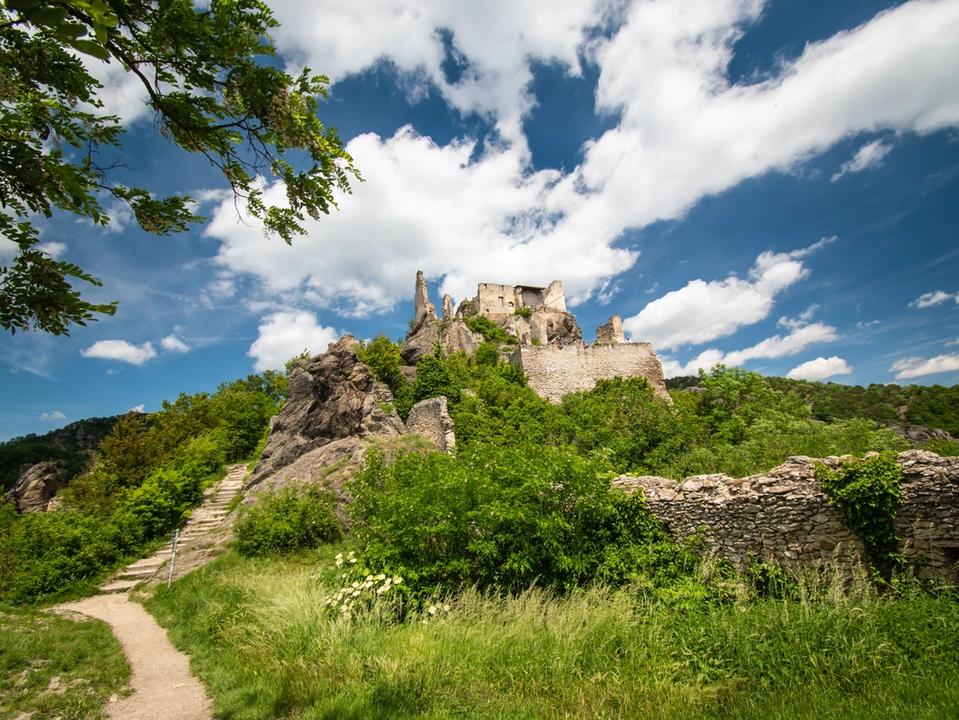
Cycle through six countries along the Danube, from Vienna to the Iron Gates, exploring castles, vineyards, and vibrant cities.
Smartphone apps and cycling computers with downloaded routes offer convenience. Bikeline maps (available throughout route) provide detailed information including accommodations, services, and points of interest.
Daily distances of 50-70km allow ample time for sightseeing, leisurely lunches, and relaxed arrival. This pacing prevents exhaustion while providing genuine cycling experience.
Austrian sections feature excellent cuisine; schnitzel, strudel, dumplings, and local wines. German sections offer Bavarian specialties and beer culture. Hungarian routes introduce paprika-flavoured dishes and hearty stews.
Riverside restaurants welcome cyclists with cycle-friendly menus, outdoor seating, and casual atmospheres. Budget €20-35 per person for dinner including drinks.
The Danube Cycle Path delivers accessible long-distance cycling through Europe's cultural heartland. Flat terrain removes fitness barriers, excellent infrastructure eliminates logistics stress, and stunning landscapes reward every pedal stroke. Whether you're attempting your first multi-day tour or seeking relaxed European cycling, the Danube welcomes all abilities.
Start planning your Danube cycling adventure today, from baroque Austrian valleys to imperial capitals, Europe's greatest river awaits your discovery.