Bike tour
Mallorca Highlights
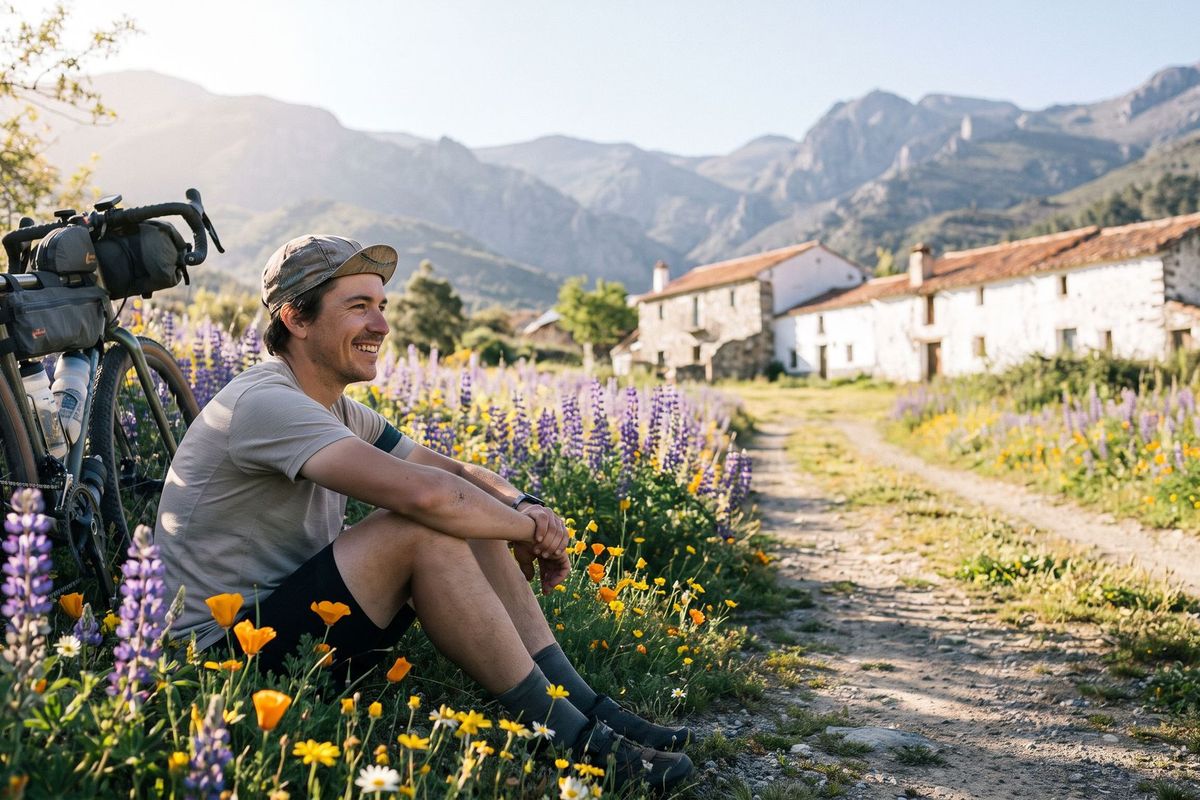
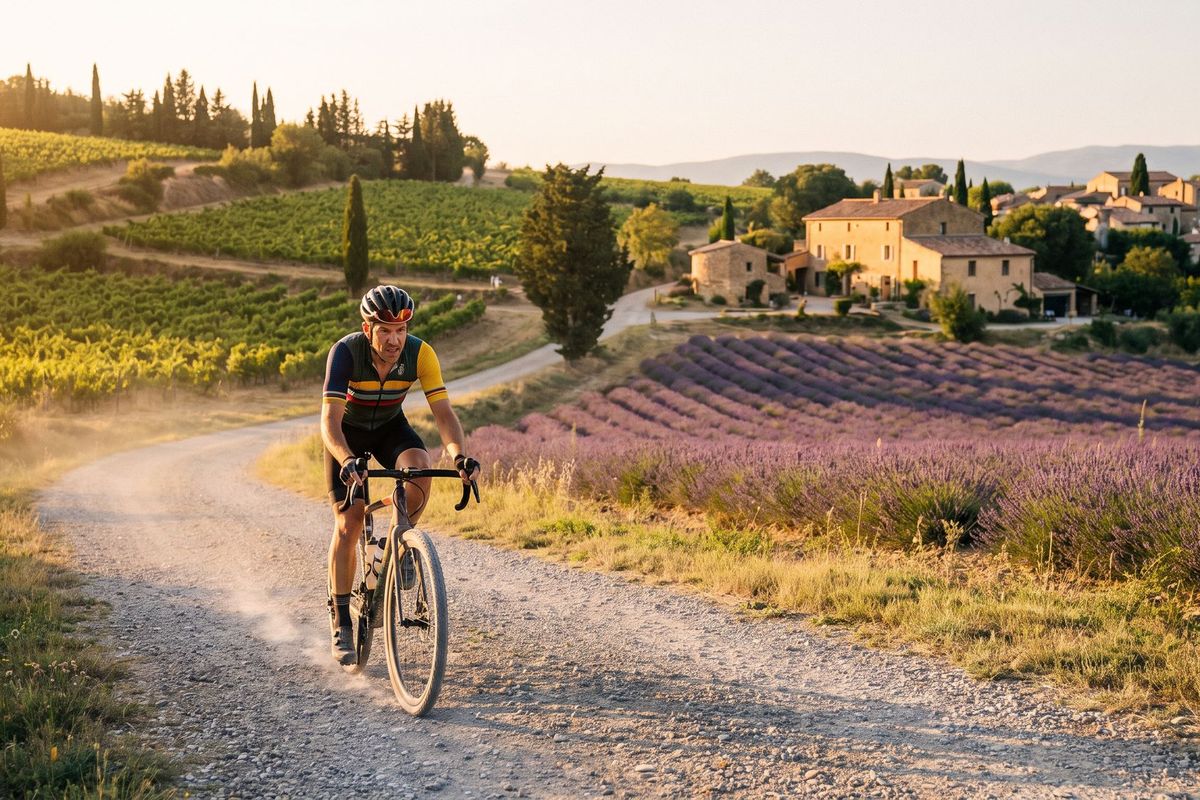
Discover Mallorca’s top cycling trails, combining coastal beauty, mountain landscapes, and welcoming hotels for a relaxing yet adventurous cycling holiday.

Rob
Mallorca (Marjorca) has earned legendary status among European cycling destinations, attracting everyone from professional teams conducting winter training camps to leisure cyclists seeking Mediterranean sunshine and stunning routes. This Balearic island combines excellent cycling infrastructure with dramatic Serra de Tramuntana mountains, quiet coastal roads, and reliable weather creating year-round riding opportunities. Whether you're conquering Sa Calobra's hairpin bends or enjoying gentle coastal paths, Mallorca delivers cycling experiences matching every ability and ambition.
Mallorca's cycling infrastructure reflects decades of welcoming international cyclists. Smooth, well-maintained roads wind through varied terrain, with wide shoulders on major routes providing safe cycling space. Drivers expect cyclists, creating respectful road-sharing culture rare elsewhere in Mediterranean Europe.
Bike rental shops offering premium equipment appear throughout the island. Cycling-specific hotels provide secure storage, bike washing facilities, early breakfasts, and packed lunches. Mechanics, physiotherapists, and cycling coaches operate businesses catering exclusively to cycling tourists. This comprehensive infrastructure eliminates logistical stress, allowing focus on riding.
Mallorca offers remarkable terrain variety within compact geography. The Serra de Tramuntana mountain range delivers serious climbing with dramatic coastal views. Central plains provide flat, fast riding perfect for building endurance or recovery days. Coastal routes combine Mediterranean scenery with moderate challenges. This diversity means week-long stays never feel repetitive, each day reveals different landscapes and cycling characters.
Mallorca's Mediterranean climate provides excellent cycling weather throughout most of the year. Winter temperatures rarely drop below 10°C, making Mallorca Europe's premier winter cycling destination. Spring and autumn deliver near-perfect conditions; warm, sunny, and comfortable for extended riding. Even summer, though hot, remains manageable with early starts and coastal route choices.
Over 300 annual sunshine days guarantee reliable weather for holiday planning. While occasional winter rain occurs, sunny days predominate even in traditionally wet months. This reliability attracts professional teams and serious amateurs requiring consistent training conditions.
Sa Calobra represents Mallorca's most famous cycling challenge. This 9.5-kilometre descent (or brutal ascent, depending on direction) features 26 hairpin bends winding down to a spectacular cove. The road's engineering marvel includes a 270-degree loop where the road crosses over itself—the "Nus de Sa Corbata" (Tie Knot).
Most cyclists descend first, enjoying breathtaking views and technical descending, then face the grueling climb back. The 9.5km ascent averages 7% gradient but includes sections exceeding 10%. The achievement and Instagram-worthy photos justify the suffering.
Start point: Port de Sóller or Cala de Sá Calobra
Distance: 19km return from Port de Sóller
Difficulty: Challenging - significant climbing
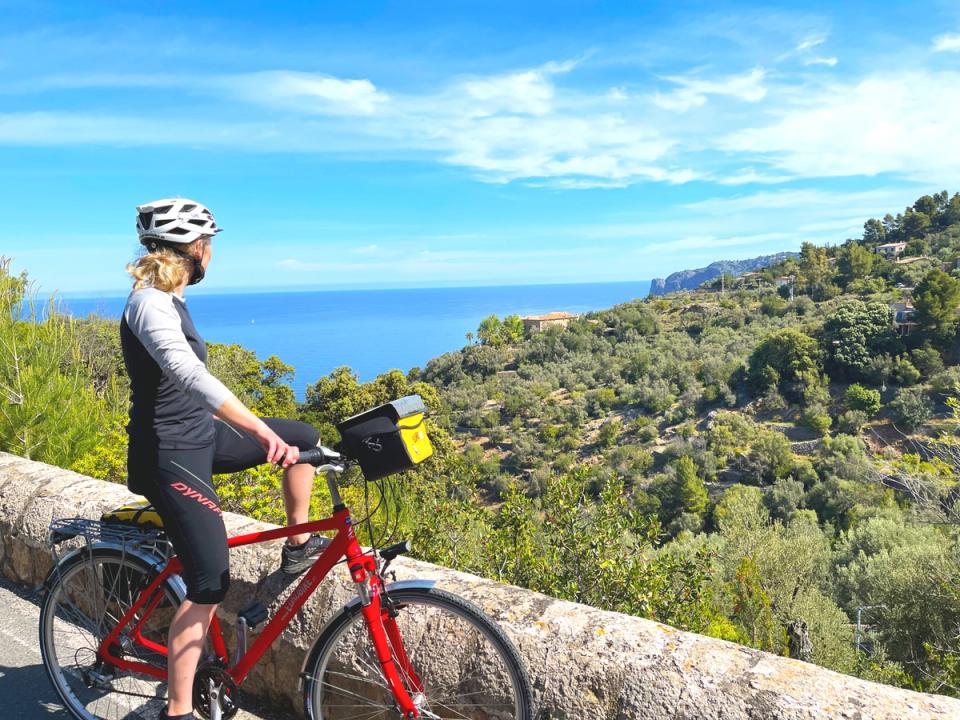
The Formentor peninsula offers stunning coastal riding to Mallorca's northernmost point. The lighthouse road features dramatic cliffside riding with hairpin bends descending to pristine coves before climbing back to ridge-top vistas. Crystal-clear Mediterranean waters hundreds of meters below create vertigo-inducing beauty.
Discover Mallorca’s top cycling trails, combining coastal beauty, mountain landscapes, and welcoming hotels for a relaxing yet adventurous cycling holiday.
Summer restrictions limit car access during peak hours, creating nearly car-free cycling paradise. Spring and autumn provide excellent conditions without vehicle restrictions. The 30-kilometre route from Port de Pollença includes significant climbing but rewards with spectacular photography opportunities.
Start point: Port de Pollença
Distance: 60km return
Difficulty: Moderate to challenging - sustained climbing
Puig Major, Mallorca's highest accessible peak (Puig de Massanella ranks higher but military installations block public access), challenges cyclists with sustained climbing. The 14-kilometer ascent from Sóller gains 850 meters, averaging 6% with steeper sections testing fitness and determination.
Tunnel sections near the summit add drama and require proper lighting. The descent toward Sa Calobra or return to Sóller rewards climbers with exhilarating downhill riding. Professional teams use this climb extensively during training camps, testament to its quality and challenge.
Start point: Sóller
Distance: 28km return
Difficulty: Challenging - significant elevation gain
Mallorca's eastern coastline provides gentler riding through traditional villages, beaches, and agricultural landscapes. Routes from Palma toward Porto Cristo, Artà, or Cala Ratjada offer moderate terrain with beautiful coastal scenery and fewer tourist crowds than western mountains.
These routes suit families, leisure cyclists, or recovery days between challenging climbs. Beach stops break up riding, and traditional restaurants serve authentic Mallorcan cuisine away from tourist centres. Spring brings almond blossoms creating stunning white and pink landscapes.
Distance: 60-100km depending on route
Difficulty: Easy to moderate
Mallorca shines as Europe's premier winter cycling destination. Temperatures range 12-18°C—cool but comfortable for cycling with proper layering. Professional teams descend for training camps, creating vibrant cycling atmosphere. Hotel and rental prices drop significantly, and popular summer routes remain quiet.
Pack comprehensive layering including arm/leg warmers, wind jackets, and gloves. Weather variability means carrying extra clothing, but conditions generally remain excellent. Occasional rain days occur but rarely last extended periods.
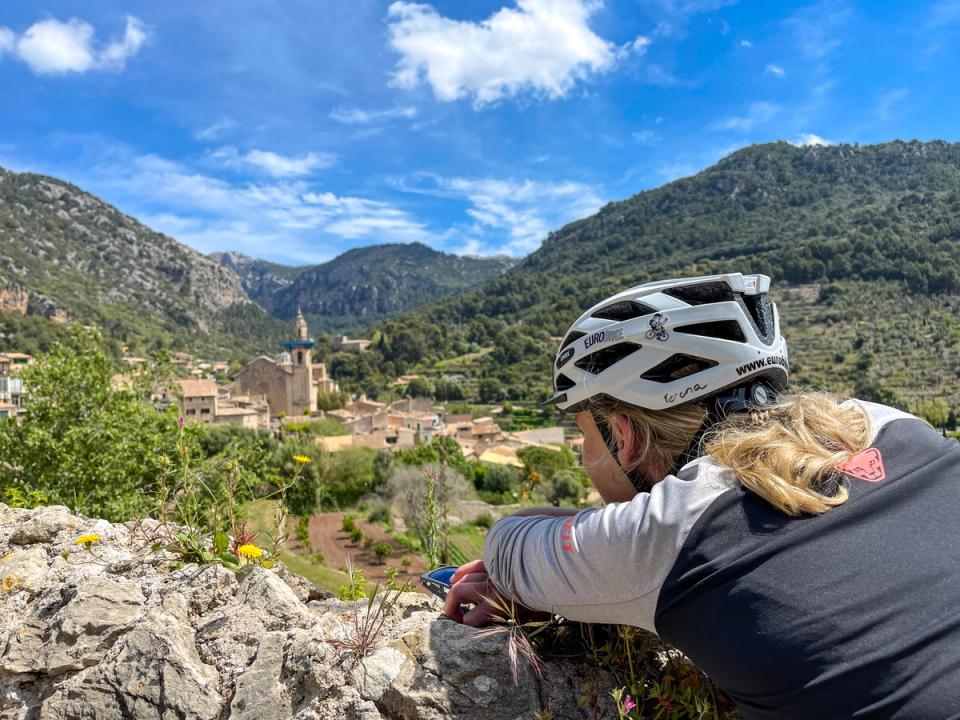
Cycle Mallorca's scenic coastal roads and mountain trails: 7-day self-guided tour from Playa de Palma to Port de Sóller, featuring beaches, villages, and the Tramuntana mountains.
Peak cycling season brings perfect temperatures (16-24°C), blooming almond trees, and increasing daylight. March remains relatively quiet; April-May see increasing crowds but maintain excellent conditions. Hotels and rentals require advance booking for popular periods.
This represents Mallorca's finest cycling season, combining optimal weather, beautiful landscapes, and manageable tourist numbers. Pack sunscreen and expect occasional spring showers, though these rarely disrupt cycling significantly.
High summer brings heat (28-35°C), crowds, and peak prices. Serious cycling requires early morning starts, departing 6-7am beats heat and traffic. Afternoons suit swimming, sightseeing, or siesta rather than cycling. Coastal routes with sea breezes feel more comfortable than mountain climbs under intense sun.
Tourist crowds fill popular areas, and accommodation books months ahead. However, long daylight hours and guaranteed sunshine attract many cyclists willing to adapt schedules for reliable weather.
Autumn rivals spring for cycling perfection. Temperatures moderate (20-26°C), crowds thin post-summer, and weather remains predominantly excellent. September feels like extended summer; October brings autumn light creating beautiful photography conditions.
Harvest activities in wine regions add cultural interest. Hotels welcome post-summer guests with excellent service and lower prices than peak season. This represents outstanding value timing for quality cycling holidays.
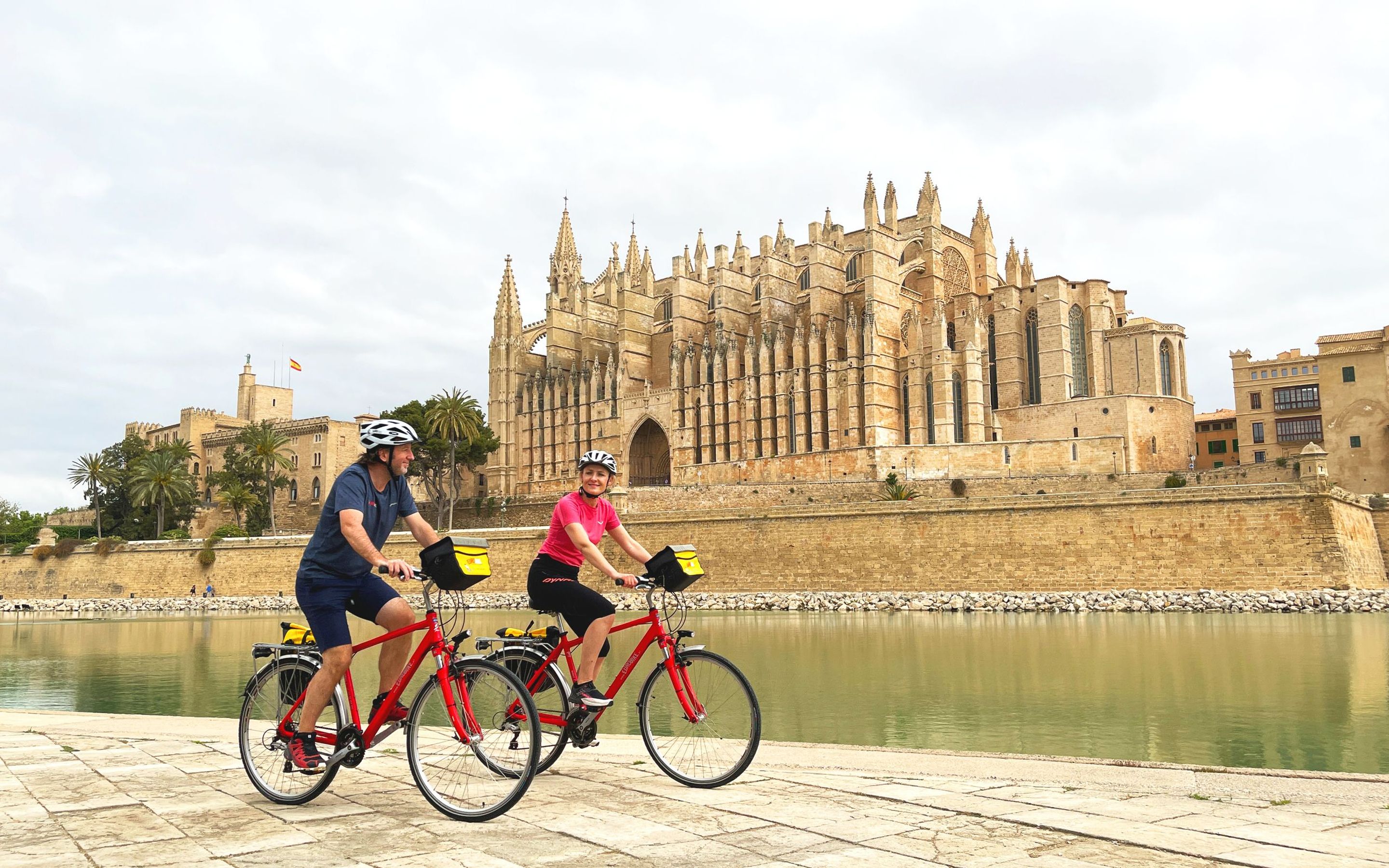
Mallorca's capital offers urban amenities, culture, and airport proximity. Excellent cycling access to flat southern routes and western mountain approaches. Hotels range from budget to luxury, restaurants offer international and traditional cuisines, and bike shops proliferate.
Palma suits first-time visitors wanting urban base comfort with cycling access, or those combining cycling with cultural sightseeing.
Northern base providing immediate access to Formentor and eastern routes while remaining manageable distance from western mountains. Cycling-focused hotels cluster here, creating community atmosphere among international cyclists.
Quieter than Palma but maintaining excellent facilities, restaurants, and services. Popular with serious cyclists prioritising riding over urban attractions.
Western coast base nestled in mountains providing immediate access to Sa Calobra, Puig Major, and western climbing. Charming port town with excellent restaurants, relaxed atmosphere, and stunning setting.
Limited by single main road for access—occasionally congested during peak season. Best for those prioritising mountain cycling over exploration variety.
Premium carbon road bikes cost €30-50 daily; basic aluminium bikes €20-30 daily. E-bikes available for €40-60 daily, making mountain routes accessible to moderate fitness cyclists. Book ahead during peak seasons ensuring bike availability and proper sizing.
Strategic cafe stops enhance Mallorca cycling. Famous cycling cafes include Sa Fonda in Sóller (cyclists' pilgrimage site), Bar Es Coll de Sa Bataia (mountain pass refreshment), and numerous Port de Pollença waterfront establishments.
Budget €5-10 per cafe stop for coffee, cake, or light snacks. These breaks provide social atmosphere and necessary refuelling.
Despite excellent cycling culture, major roads carry significant traffic during peak season. Choose early morning riding on popular routes avoiding afternoon tourist crowds. Lights essential for tunnel sections, particularly Puig Major approaches.
Emergency medical services respond quickly, and cycling insurance advisable for serious injuries or bike damage.
Mallorca earned its reputation as Europe's premier cycling island through decades of welcoming cyclists, developing infrastructure, and providing diverse, spectacular routes. Whether you're training for events, seeking winter sunshine, or enjoying first cycling holidays, Mallorca delivers experiences justifying its legendary status.
Start planning your Mallorca cycling adventure today; from challenging mountain passes to gentle coastal explorations, Spain's cycling jewel awaits your discovery.