Bike tour
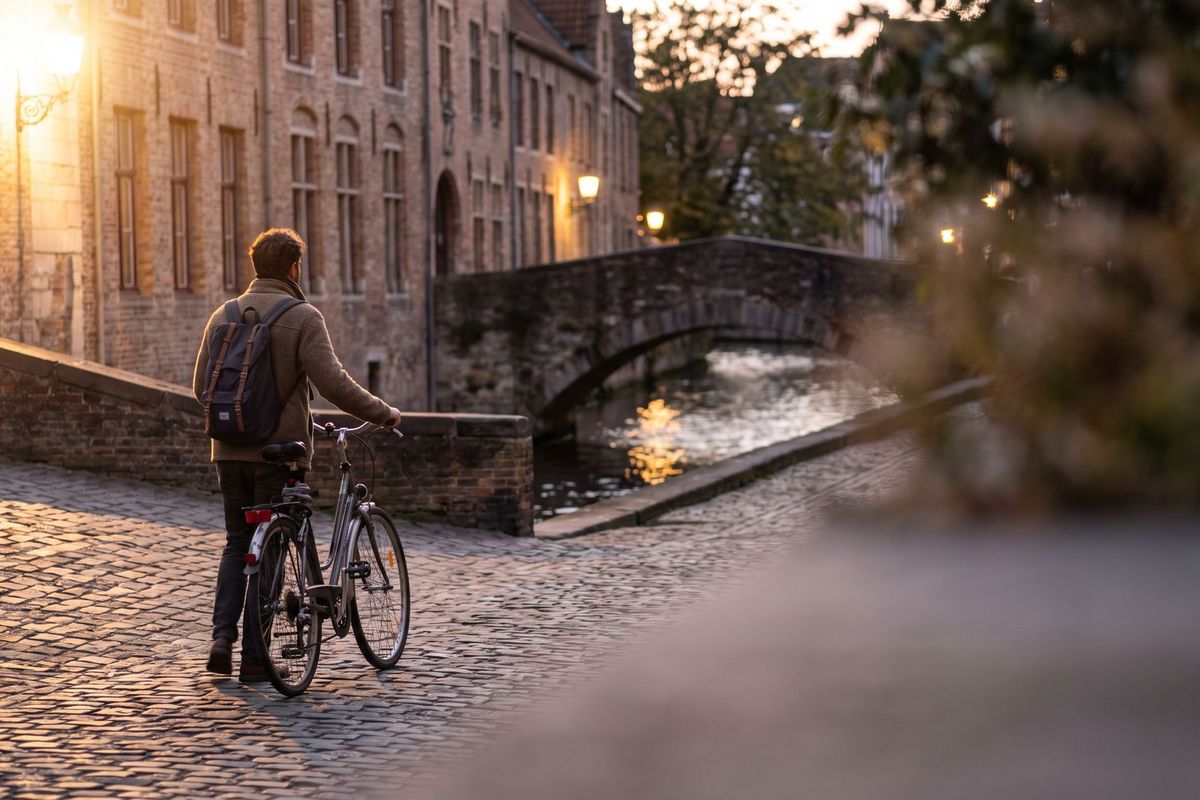
Bruges, Ypres and Flanders Fields
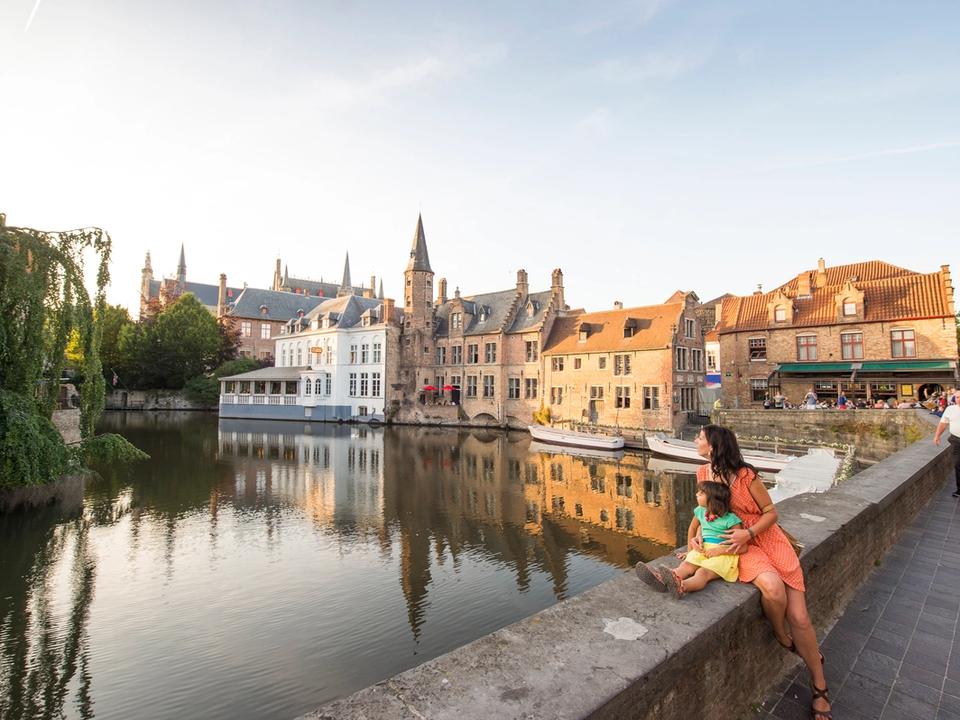
Cycle through West Flanders to explore Bruges, Ieper, and the coast, with WWI history, canals, castles, and Belgian culture.

Rob
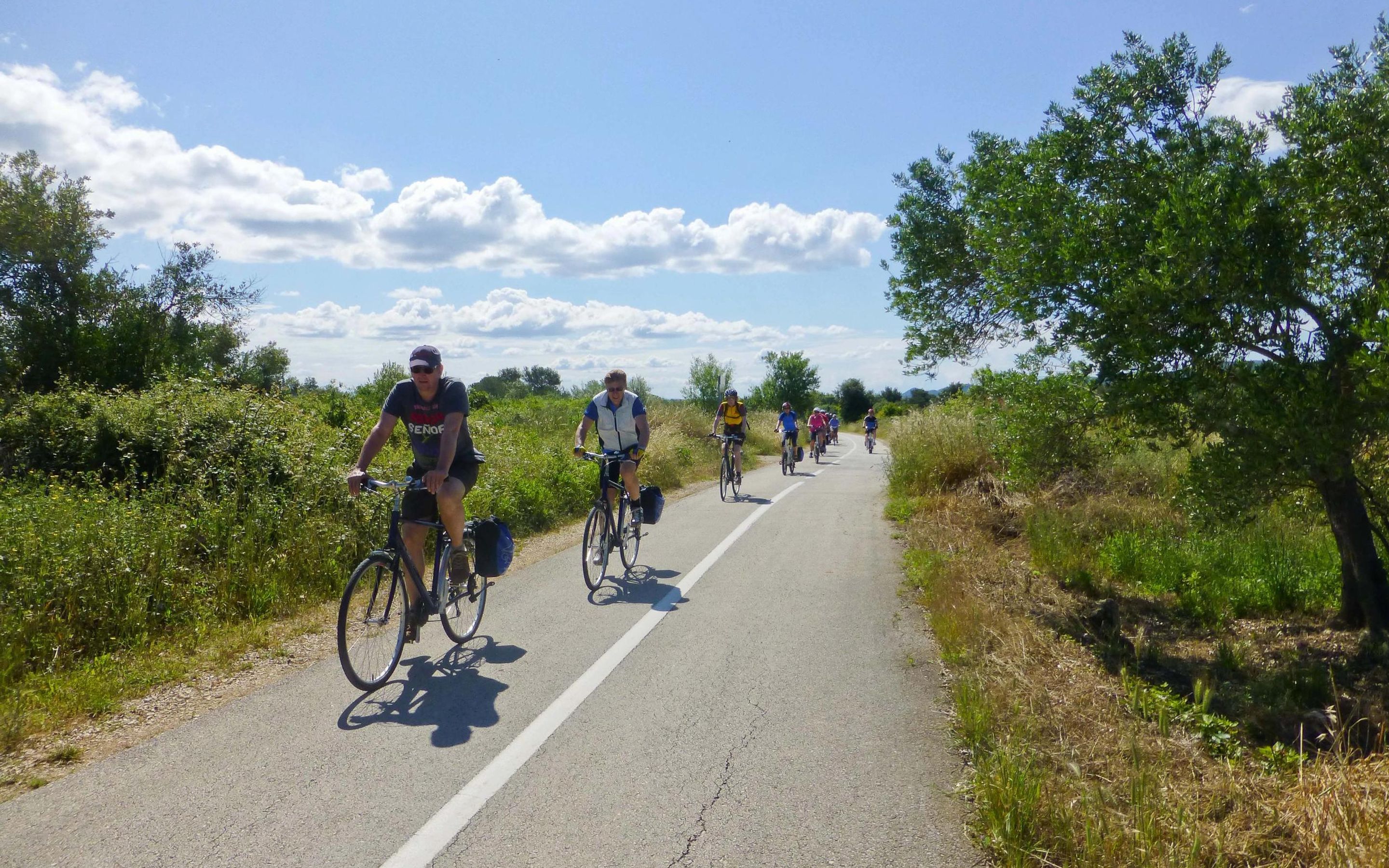
Packing for cycling holidays challenges even experienced travellers. Pack too much and you're hauling unnecessary weight; pack too little and you're buying expensive replacements abroad or suffering discomfort. This comprehensive packing guide ensures you bring everything needed for comfortable, enjoyable cycling while avoiding the overpacking trap that burdens travellers. Whether you're touring Tuscany or tackling the Alps, this checklist covers essentials, nice-to-haves, and items you can confidently leave home.
Padded Cycling Shorts (2-3 pairs): The single most important comfort item. Never wear underwear beneath cycling shorts—the seamless chamois works directly against skin. Two pairs minimum allow daily washing with overnight drying. Three pairs provide comfort backup.
Cycling Jerseys (2-3): Technical fabrics wick moisture and dry quickly. Rear pockets carry snacks, phones, and layers. Bright colours improve visibility. One lightweight, one mid-weight covers most conditions.
Base Layers (1-2): Thin merino wool or synthetic base layers regulate temperature and add warmth on cool mornings. Choose quick-drying fabrics.
Cycling Gloves: Padded palms prevent numbness and protect hands in falls. Full-finger gloves for cool weather, fingerless for summer.
Cycling Shoes: If using clipless pedals, bring your shoes and pedals (most rental bikes accommodate pedal swaps). Otherwise, sturdy athletic shoes with stiff soles work adequately.
Windproof Jacket: Lightweight, packable jackets protect against wind and light rain. Essential for descents and unexpected weather.
Waterproof Jacket: Proper rain gear makes the difference between acceptable discomfort and misery. Choose breathable fabrics preventing sweat buildup.
Arm and Leg Warmers: These removable layers adapt to changing temperatures without requiring complete outfit changes. Roll them into jersey pockets when not needed.
Thermal Tights or Leg Warmers: For spring, autumn, or Alpine cycling when mornings start cold but days warm up.
Buff or Neck Gaiter: Versatile for sun protection, warmth, or dust barriers. Weighs nothing, provides multiple functions.
Casual Clothes (3-4 days' worth): Comfortable clothes for evenings, rest days, and travel. Choose quick-drying fabrics that layer well.
Light Walking Shoes or Sandals: Your feet need cycling shoe breaks. Comfortable walking shoes for sightseeing and evening meals.
Swimwear: Mediterranean routes offer swimming opportunities. Even northern routes may have hotel pools.
Sun Hat: Essential for lunch stops, sightseeing, and protecting your face when not wearing helmets.
Cycle through West Flanders to explore Bruges, Ieper, and the coast, with WWI history, canals, castles, and Belgian culture.
Light Sweater or Fleece: Evenings can cool even in summer. One versatile layer covers most needs.
Smartphone with Charger: GPS navigation, photos, communication, and entertainment. Bring appropriate charging cables and international adapters.
Portable Battery Pack: Extended cycling days drain phone batteries. 10,000mAh capacity provides 2-3 full charges.
Bike Phone Mount (optional): Handlebar mounts allow GPS navigation while riding. Ensure waterproof cases for rain protection.
Basic Bike Multi-Tool: Allen keys, screwdrivers, and chain tool for minor adjustments. Most tour operators carry comprehensive tools, but personal multi-tools handle immediate needs.
Spare Inner Tube: Even with support vehicles, carrying one tube speeds roadside repairs.
Tire Levers (2-3): Essential for tube changes. Plastic versions weigh nothing.
Mini Pump or CO2 Inflator: Support vehicles carry pumps, but personal inflation capability provides independence.
Bike Lights: Front and rear lights for tunnel sections, early morning starts, or unexpected delays. Lightweight LED options weigh minimal.
Chamois Cream: Prevents saddle soreness and chafing. Essential for multi-day tours. Small tubes suffice for week-long trips.
Sunscreen (SPF 30-50): European sun burns surprisingly quickly. Apply before cycling and reapply at lunch stops.
Lip Balm with SPF: Lips burn easily while cycling. Choose highly protective formulas.
Cycling-Specific Sunglasses: Protect eyes from sun, wind, and debris. Wrap-around styles with interchangeable lenses adapt to varying conditions.
First Aid Basics: Plasters, pain relievers, antihistamines, and personal medications. Tour operators carry comprehensive kits, but personal supplies handle immediate needs.
Electrolyte Tablets or Powder: Maintain hydration and prevent cramps during long rides. Dissolve in water bottles.
Quick-Dry Towel: Hotels provide towels, but compact travel towels prove useful for swimming stops or emergency cleaning.
Basic Toiletries: Travel-sized shampoo, soap, toothpaste. European hotels provide basics, but favourite products ensure comfort.
Laundry Soap: Small packets or travel-sized liquid for washing cycling clothes daily. Quick-drying synthetics dry overnight.
Insect Repellent: Essential for evening dining outdoors, particularly near water or in rural areas.
Passport: Essential for international travel. Check expiration dates months before departure.
Travel Insurance Documents: Including emergency contact numbers and policy details.
Credit/Debit Cards: Notify banks of travel dates. Bring backup cards from different providers.
Small Amount of Local Currency: For immediate expenses upon arrival, though ATMs are widely available.
Photocopies of Important Documents: Store separately from originals for emergency replacement.
Action Camera or GoPro: Capture cycling footage hands-free. Bike mounts create unique perspective videos.
Small Cycling Backpack or Saddle Bag: Day trips or picnic supplies. Choose small, lightweight options.
Book or E-Reader: Evening downtime and travel entertainment.
Protein Bars or Favourite Snacks: Familiar foods for energy when local options don't appeal.
Cycling Computer (if you have one): Track distance, speed, and elevation. Many prefer phones, but dedicated computers provide glanceable data.
Excessive Clothing: Three cycling outfits maximum. Daily washing makes more unnecessary. Four casual outfits suffice for week-long tours.
Heavy Guidebooks: Smartphones provide comprehensive travel information. Download relevant content for offline access.
Valuable Jewelry: Unnecessary risk and worry during active holidays.
Hair Dryers: Hotels provide them. If critical, bring travel-sized versions, but they're rarely necessary.
Full Toiletry Collections: Miniature versions or hotel provisions suffice. You're cycling, not attending fashion week.
Work Laptops: Unless absolutely essential, leave work behind. Phones handle emergency work needs.
Use Packing Cubes: Organise clothing by type. Compression cubes maximize luggage space.
Roll, Don't Fold: Rolling clothes prevents wrinkles and saves space.
Wear Bulkiest Items During Travel: Wear cycling shoes, jackets, and heaviest clothing on flights to save luggage space.
Bag Within Bags: Pack dirty cycling clothes in separate bags preventing odor transfer to clean items.
Mediterranean Summer: Prioritise sun protection, light colors, and minimal layering. Evening temperatures remain warm.
Alpine Cycling: Pack comprehensive weather protection. Mountain weather changes rapidly, and temperatures drop significantly with elevation.
Northern Europe: Expect variable weather. Rain gear and layers prove essential even in summer.
Spring/Autumn: Temperature fluctuations require versatile layering. Morning cold gives way to afternoon warmth.
Successful cycling holiday packing balances preparation with minimalism. Bring essential comfort and safety items while trusting that Europe provides excellent shopping should you need replacements. Focus on cycling-specific items that genuinely affect enjoyment; proper shorts, weather protection, and personal comfort products.
The perfect packing list brings everything needed while leaving space in your luggage for wine, olive oil, and treasures discovered during your cycling adventure. Print this guide, check items systematically, and pedal confidently knowing you're properly equipped for unforgettable European cycling.