Bike tour
Pisa to Florence Express
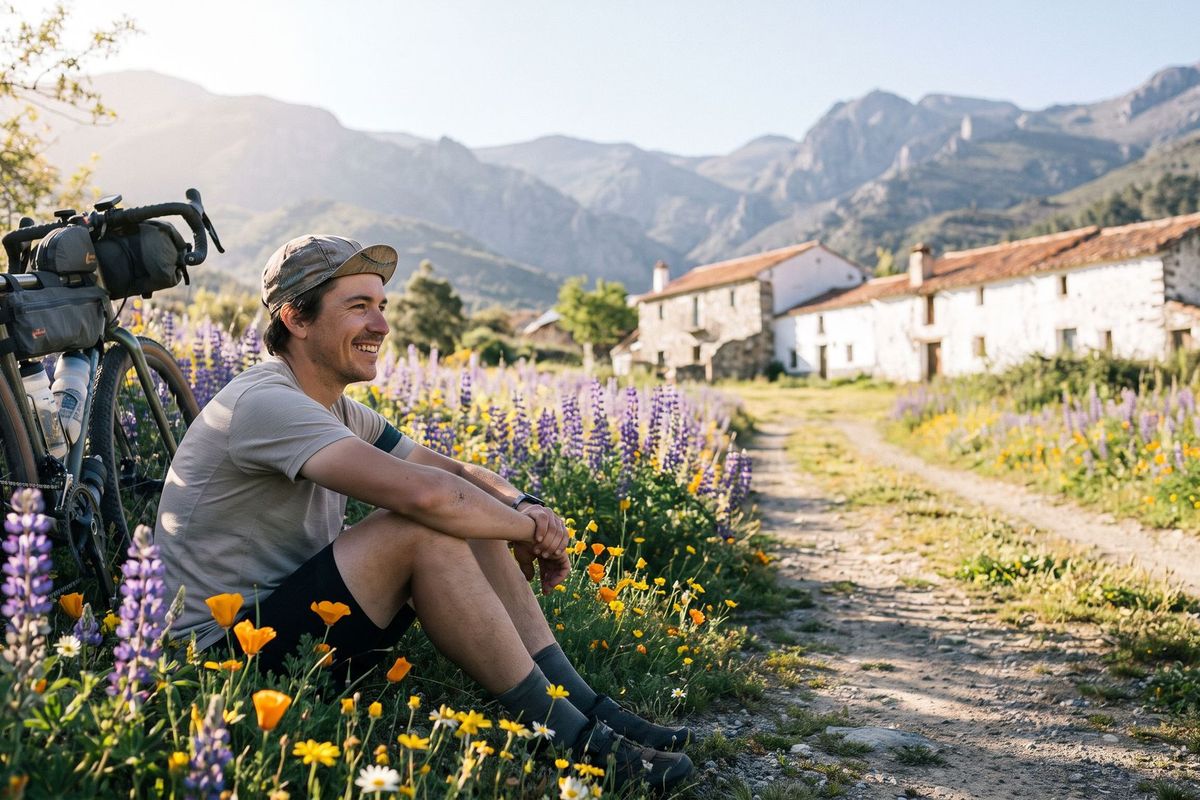
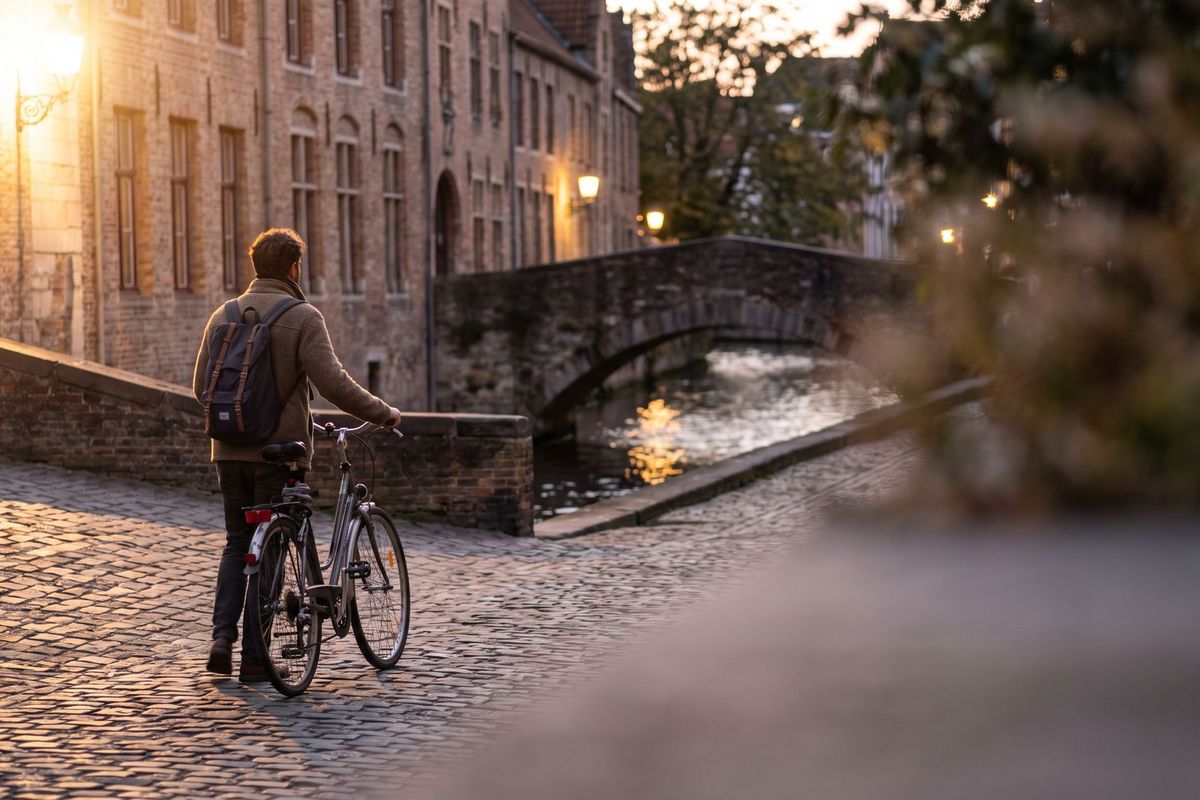
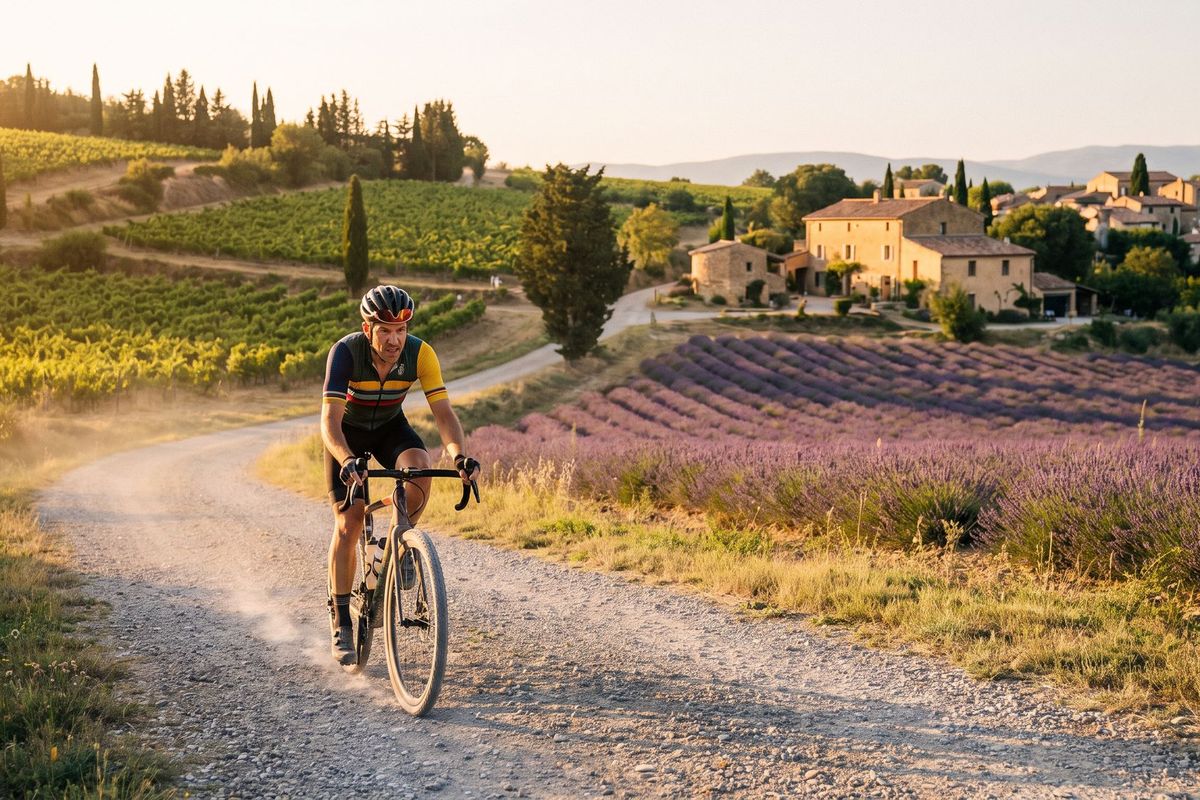
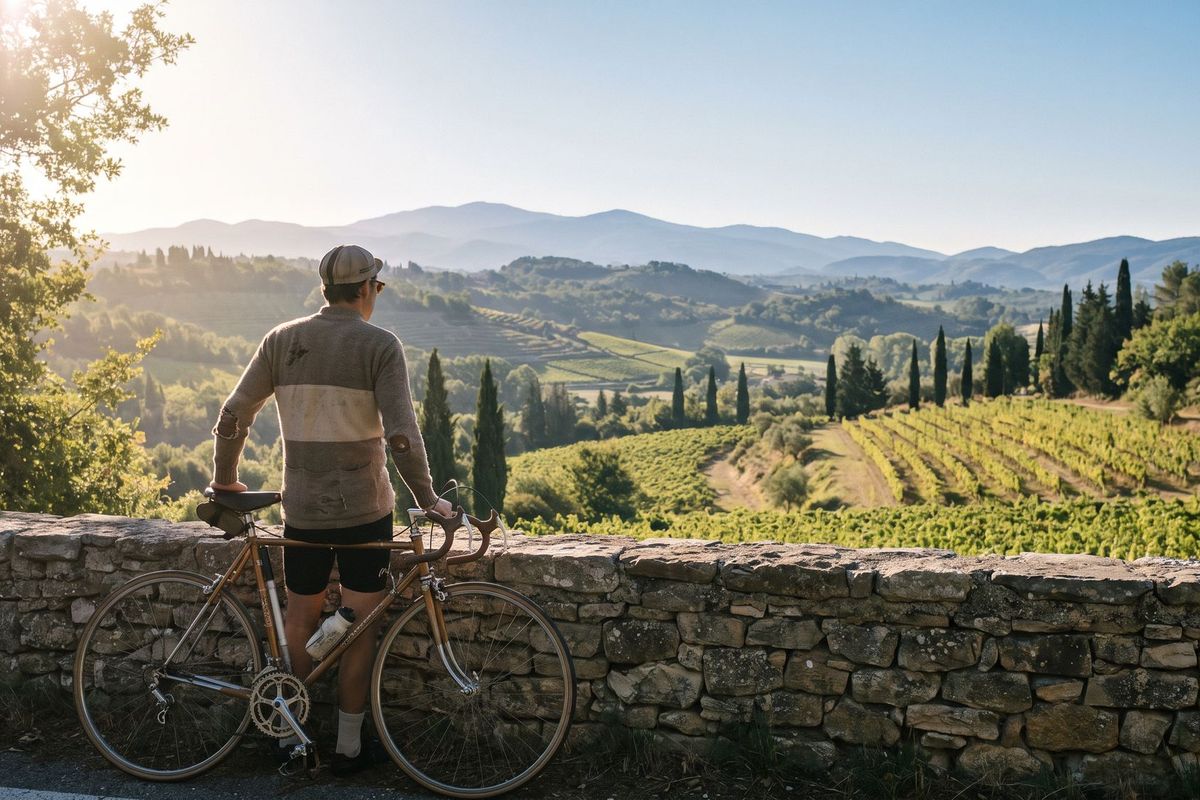
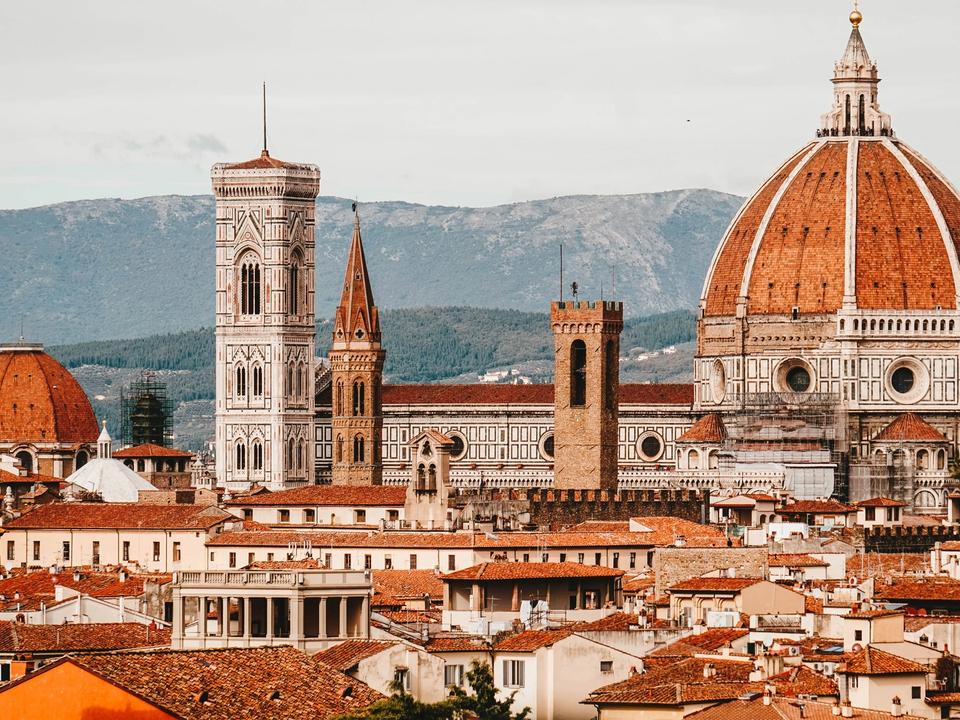
Cycle from Pisa to Florence in 5 days through Tuscan vineyards, olive groves and the grand villas of Lucca, finishing at the Ponte Vecchio.
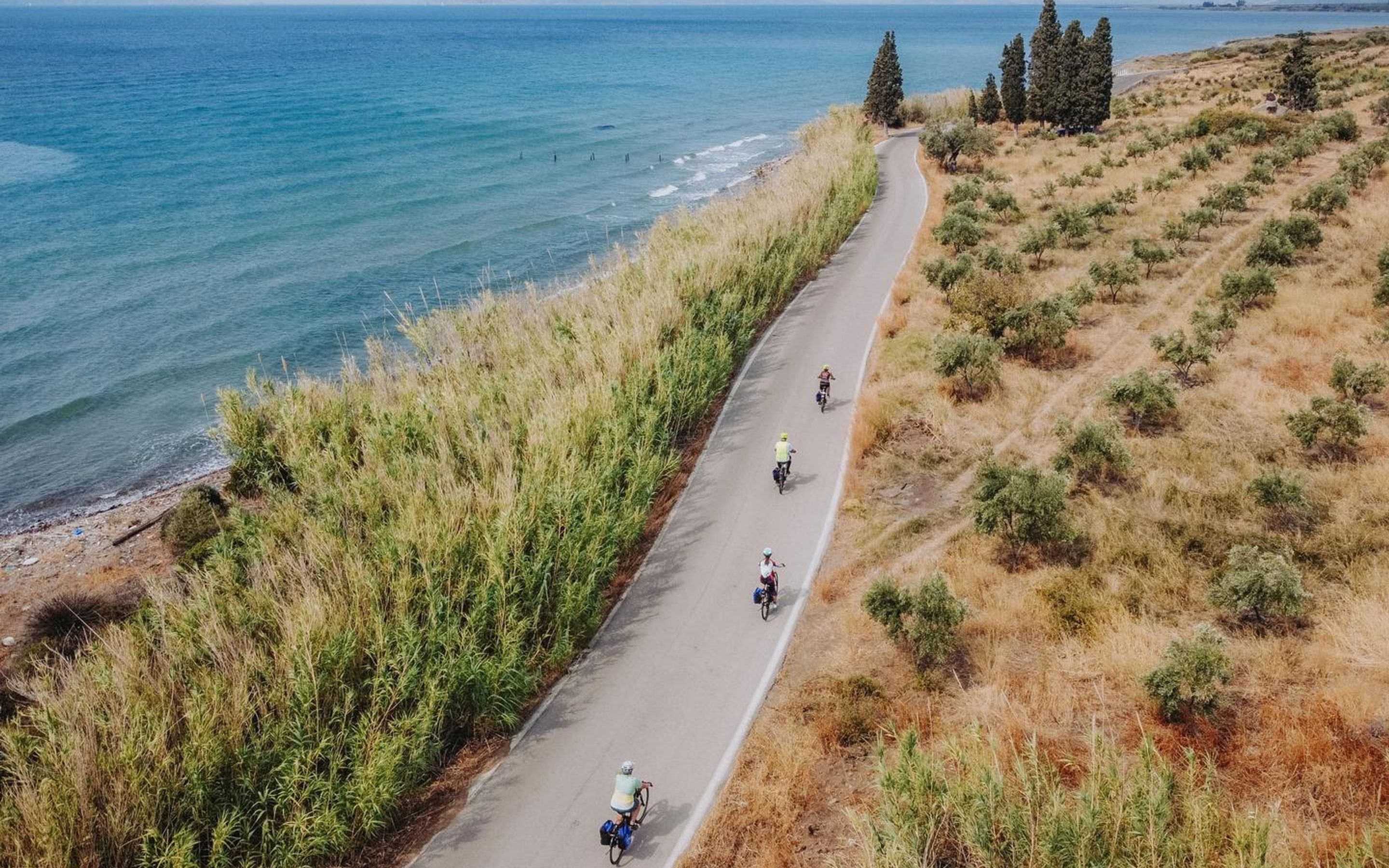
Electric bikes have revolutionised cycling holidays, transforming challenging routes into accessible adventures and opening stunning destinations to riders who'd otherwise struggle with terrain or fitness limitations. Yet misconceptions persist—e-bikes are cheating, only for lazy cyclists, or eliminate exercise benefits. The reality? E-bikes represent intelligent tools enabling more people to experience cycling's joys while still providing genuine physical activity and achievement. This comprehensive guide explains what e-bikes truly offer cycling tourists and why they might perfect your next European adventure.
E-bikes (electric bikes) feature battery-powered motors providing pedal assistance, not replacement. You must pedal; the motor simply amplifies your effort. Most touring e-bikes offer multiple assistance levels from eco (minimal help) to turbo (maximum assistance), allowing riders to adjust support based on terrain, energy levels, and desired workout intensity.
Modern e-bikes look increasingly like traditional bikes. Gone are bulky batteries and obvious motors—current designs integrate systems elegantly. You'd struggle distinguishing quality e-bikes from conventional cycles at first glance.
Key point: E-bikes require pedalling. They assist effort rather than eliminating it. Riders choosing zero assistance effectively ride traditional bikes; maximum assistance smooths hills and headwinds while maintaining exercise benefits.
E-bikes solve cycling tourism's biggest challenge, fitness disparities within groups. Couples where one partner cycles regularly and the other occasionally can ride together comfortably. The fitter rider uses conventional bikes or minimal e-bike assistance; the other uses moderate assistance. Both arrive at lunch simultaneously, neither exhausted nor frustrated.
Families with teenagers and adults bridge generational fitness gaps. Grandparents join grandchildren on tours previously impossible due to stamina differences. These shared experiences create memories fitness disparities would otherwise prevent.
Beautiful mountainous regions, Tuscany's hills, Alpine valleys, Dolomite foothills—intimidate cyclists fearing climbs. E-bikes make these spectacular destinations accessible without eliminating challenge or achievement. You'll still work climbing hills; assistance simply makes sustained efforts manageable rather than crushing.
Cycle from Pisa to Florence in 5 days through Tuscan vineyards, olive groves and the grand villas of Lucca, finishing at the Ponte Vecchio.
Headwinds lose their sting. Coastal routes offering stunning scenery but notorious winds become pleasurable rather than struggles. Late-afternoon fatigue after 50 kilometres doesn't prevent exploring that fascinating hilltop village, motor assistance provides energy reserves extending daily adventures.
E-bikes effectively add 20-40 kilometres to comfortable daily distances. Riders managing 30-40km traditionally handle 50-70km with e-bike assistance while maintaining similar fatigue levels. This range extension reveals more territory without requiring additional rest days or abbreviated routes.
Older cyclists maintaining fitness but losing peak power discover e-bikes restore touring capabilities. That 60km mountainous route requiring skip-days on conventional bikes becomes manageable daily on e-bikes, maintaining tour continuity and reducing logistical complexity.
Cycling isn't competition requiring fairness rules. It's personal transportation and recreation. E-bikes enable participation for people whom terrain or fitness would otherwise exclude. They're accessibility tools, not performance enhancers in competitive contexts.
Additionally, studies show e-bike riders average 30-40% less intense exercise per hour than conventional cyclists—but ride 40-60% longer distances. Total exercise often equals or exceeds conventional cycling while spreading effort over extended periods. You're still exercising significantly; just differently.
E-bikes provide genuine workouts. Even maximum assistance requires pedalling effort, you're simply producing fewer watts for equivalent speed. Research confirms e-bike riders achieve moderate-intensity exercise benefiting cardiovascular health, muscular strength, and mental wellbeing.
Many riders choose moderate assistance levels most of the time, using maximum help only for steep climbs or when fatigued. This variable assistance means controlling workout intensity while ensuring challenging sections don't become impossible.
Many experienced, fit cyclists choose e-bikes for specific tours or conditions. Recovering from injuries, wanting to ride with less-fit companions, or simply desiring to cycle further without excessive fatigue—all legitimate reasons fitness enthusiasts use e-bikes.
Professional cyclists train on conventional bikes but choose e-bikes for recreational touring with families. If it's good enough for pros, surely fitness isn't the only consideration.
Modern e-bikes weigh 18-24kg—heavier than road bikes (8-10kg) but comparable to loaded touring bikes. Once moving, the motor compensates for extra weight. Handling feels natural after brief adaptation periods. Most riders forget they're on e-bikes within the first hour.
Quality e-bikes provide 50-100km assistance per charge, depending on:
Tour operators recharge batteries overnight, ensuring full power each morning. This range comfortably covers typical touring daily distances (40-70km) with reserve capacity.
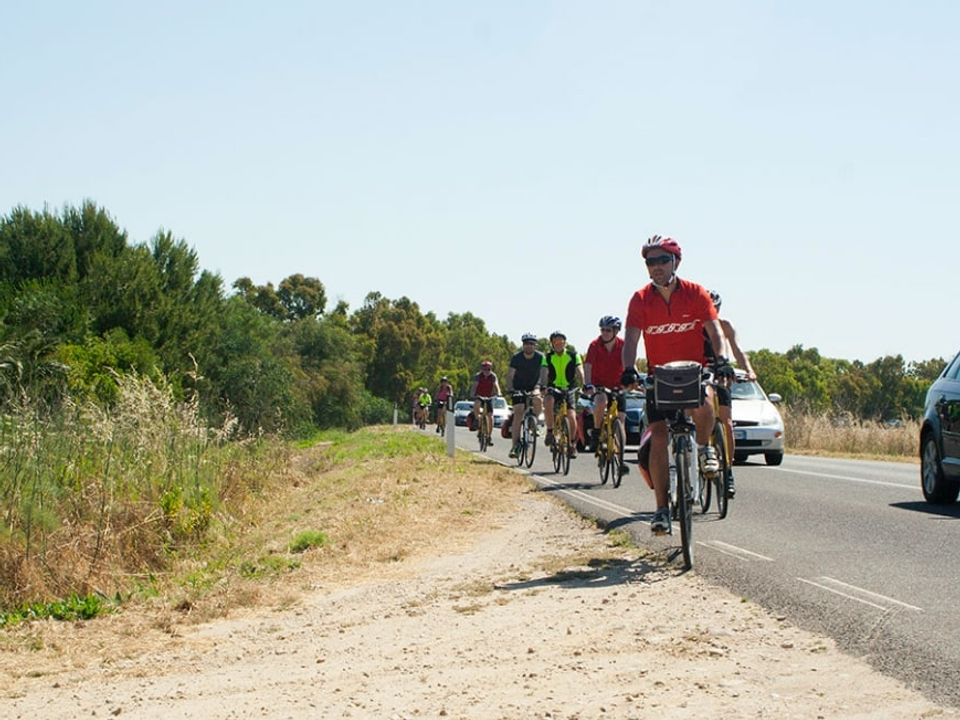
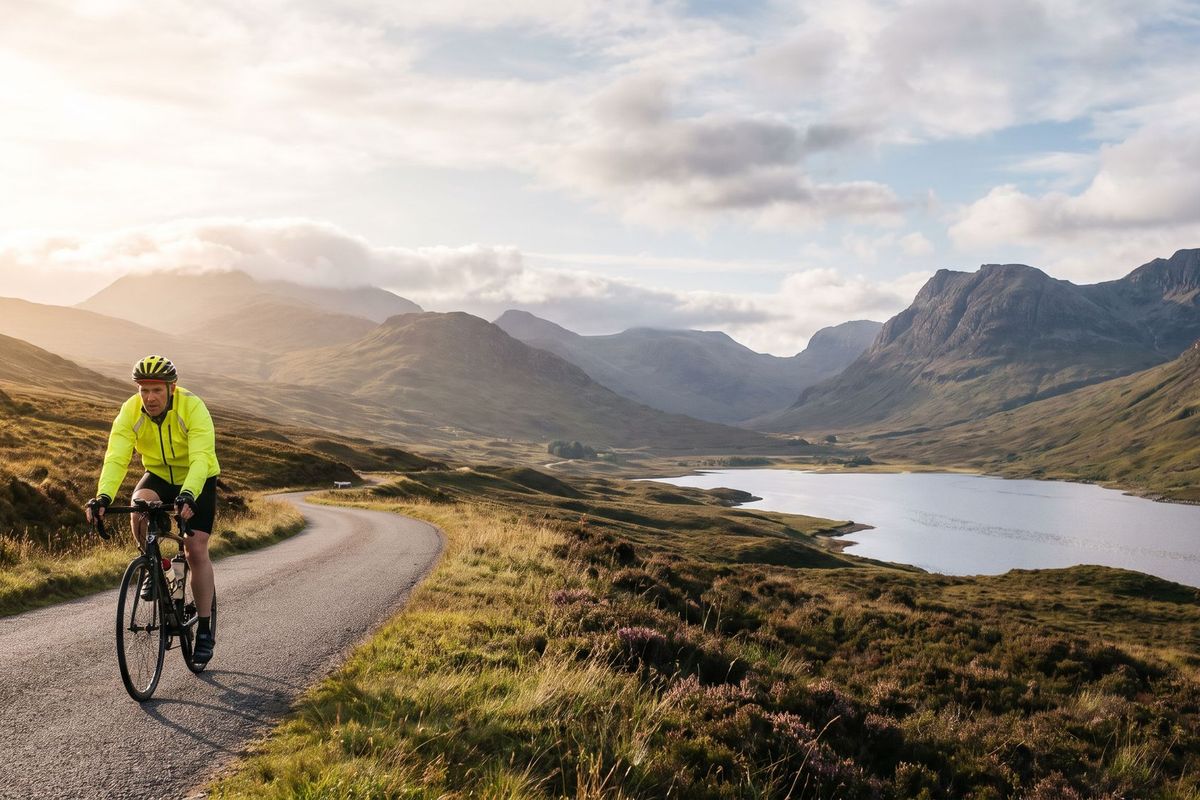
Enjoy gentle cycling along Sardinia’s peaceful south-west coast, with empty beaches, quiet fishing towns, ancient mines and relaxed coastal scenery.
Most systems offer 3-5 assistance modes:
Eco/Tour: Minimal assistance, maximum range. Feels like tailwind or slight downhill gradient. Suitable for flat terrain and fitness maintenance.
Normal/Sport: Moderate assistance for rolling terrain. Smooths hills without eliminating effort. Most riders use this setting predominantly.
Turbo/High: Maximum assistance for steep climbs or fatigue. Transforms difficult sections into manageable challenges. Reserve for when genuinely needed.
Off: Zero assistance—conventional bike mode. Proves you're genuinely pedaling and enables traditional cycling when desired.
Mid-drive motors (between pedals) provide natural feeling, efficient climbing, and balanced weight distribution. Most quality touring e-bikes use mid-drive systems.
Hub motors (wheel-mounted) cost less but feel less natural and handle hills less efficiently. Budget e-bike rentals sometimes feature hub motors.
Have fitness concerns: Worry about managing consecutive cycling days or challenging terrain.
Want to cycle with fitter companions: Bridge ability gaps enabling shared experiences.
Prioritise destinations over athletic challenge: Focus on cultural exploration, scenery, and experiences rather than physical achievement.
Are recovering from injury: Maintain activity while managing physical limitations.
Want to extend cycling lifespan: Age-related fitness declines needn't end touring careers.
Are new to touring: Build confidence and endurance before attempting conventional bike tours.
Face challenging terrain: Make mountainous regions accessible without extreme fitness.
E-bikes consume minimal electricity, one full charge costs pennies and powers 50-100km travel. Compared to driving, they're extraordinarily efficient. For environmentally conscious travellers, e-bikes enable low-carbon tourism without sacrificing range or comfort.
Manufacturing impact exists, but e-bikes' transportation efficiency outweighs production footprint quickly. They represent genuinely sustainable tourism when replacing car journeys.
Most tour operators offer e-bike options on moderate and challenging routes. Request e-bikes when booking; availability sometimes limits so reserve early. Premium operators provide high-quality e-bikes with reliable systems and comfortable riding positions.
Day-rental opportunities exist in most European cycling destinations. Before committing to week-long e-bike tours, rent for afternoon rides testing whether assistance feels natural and enjoyable. Most riders adapt within 30 minutes.
E-bikes democratise cycling tourism. They enable participation for people whom conventional cycling would exclude while maintaining exercise benefits and genuine achievement. You're not avoiding cycling, you're accessing cycling that would otherwise remain beyond reach.
The question isn't whether e-bikes are "real cycling", they demonstrably are. The question is whether they enable experiences you'd otherwise miss. For many, the answer transforms from uncertain possibility to confident "yes."
Your perfect cycling holiday awaits, whether on conventional bikes or e-bikes matters far less than actually experiencing Europe's stunning cycling routes. Choose the tool enabling your adventure rather than limiting it.