Bike tour
Piedmont Gourmet Loop: Italy’s Garden of Eden
Cycle the Piedmont Gourmet Loop in Northern Italy, exploring rolling hills, charming towns, and tasting exquisite local cuisine and renowned wines on this unforgettable tour.

Rob
Cycling holidays deliver dual pleasures, exploring stunning landscapes by day and indulging in exceptional food by night. The equation works beautifully: burn 2,000-3,000 calories cycling, then enjoy guilt-free three-course dinners with wine. European cycling routes deliberately thread through regions famous for culinary excellence, creating holidays where cycling earns you access to world-class food experiences. From Tuscan wine estates to French Michelin stars, from Portuguese seafood to Austrian mountain huts, cycling tourism celebrates the deep connection between movement, appetite, and exceptional dining.
Cycling burns serious calories, 3-5 hours daily cycling consumes 1,500-3,000 calories depending on intensity and body weight. This expenditure means you can indulge without guilt. That cheese plate, pasta course, and dessert become performance nutrition rather than dietary sins. The psychological freedom from calorie counting enhances enjoyment immeasurably.
Physical exertion also heightens taste perception. Scientists confirm exercise improves appetite and flavour appreciation. That simple bread and cheese picnic tastes extraordinary after 50 kilometres of cycling. genuine hunger makes everything delicious, while cycling through beautiful landscapes creates perfect mental state for savouring meals.
Cycling's slower pace compared to driving reveals regional food culture deeply. You'll shop at village markets, discover family-run trattorias impossible to find from highways, and interact with producers at vineyards and farms. These authentic experiences create food memories rivalling Michelin dining.
Tour routes deliberately pass through culinary heartlands, French wine regions, Italian agricultural valleys, Spanish tapas territories. Your daily cycling becomes a progressive tasting menu of regional specialties, each day revealing different culinary traditions.
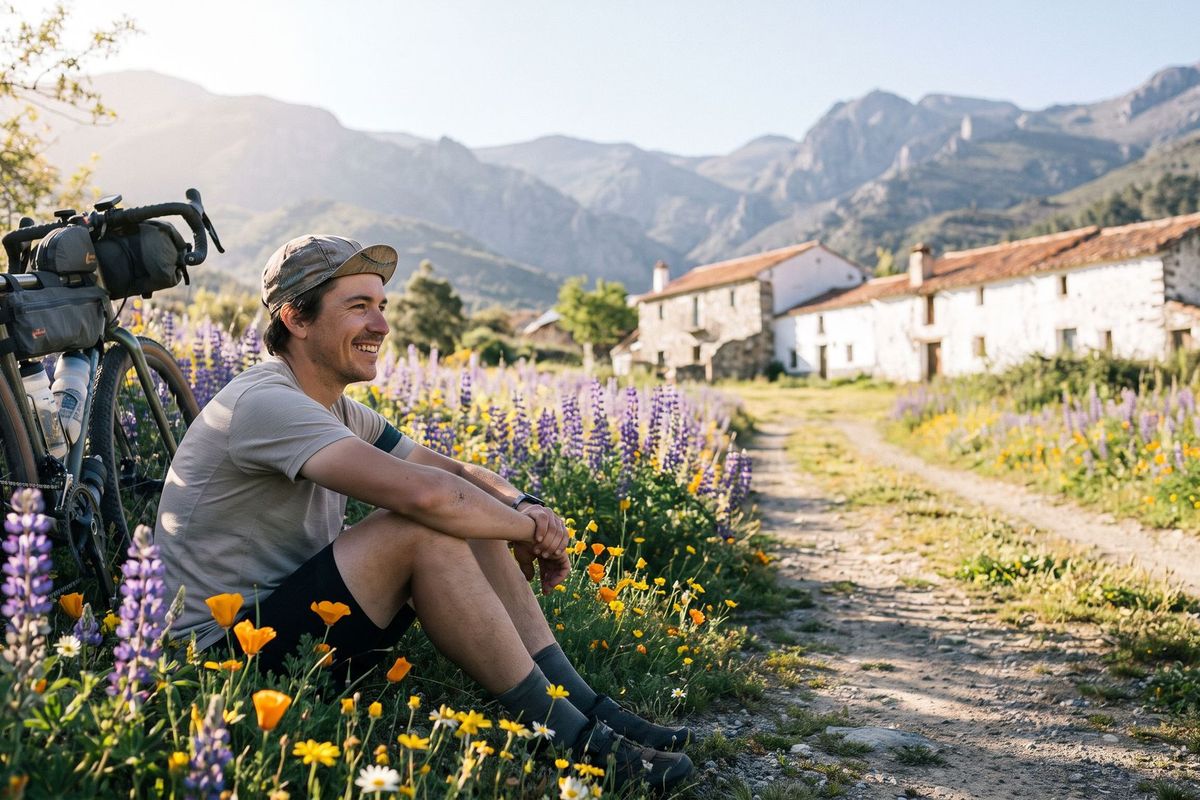
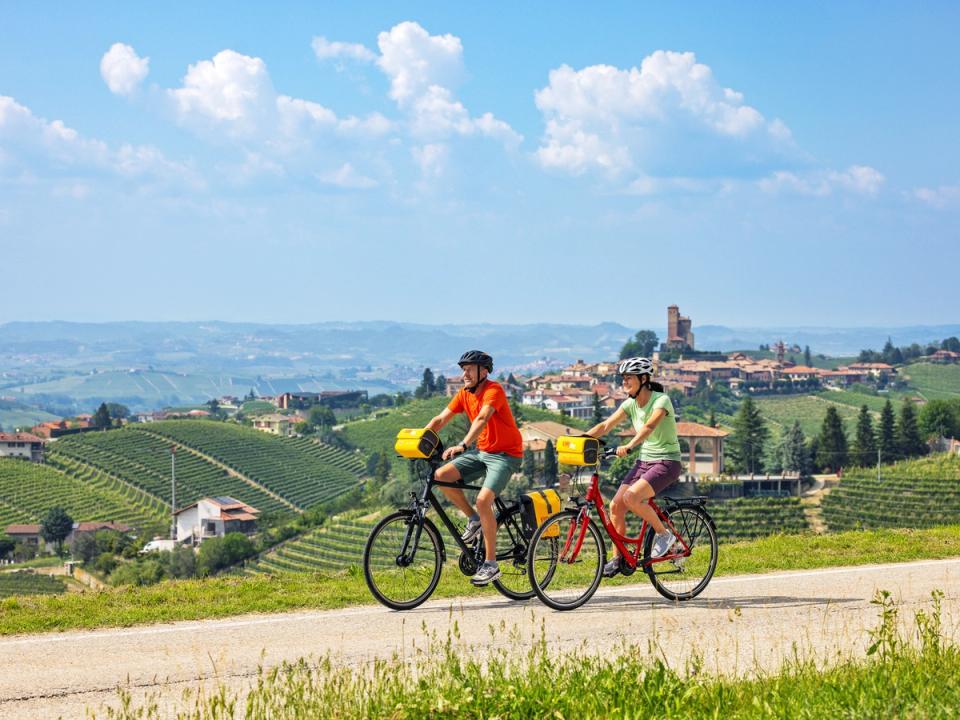
Piedmont combines serious cycling with Italy's most refined cuisine. The Langhe region produces legendary Barolo and Barbaresco wines alongside prized white truffles (October-November). Cycling vineyard-covered hills between Alba and Asti creates wine-focused tours where tastings reward every climb.
Cycle the Piedmont Gourmet Loop in Northern Italy, exploring rolling hills, charming towns, and tasting exquisite local cuisine and renowned wines on this unforgettable tour.
Traditional Piedmontese restaurants serve tajarin (thin egg pasta with truffle shavings), vitello tonnato (veal in tuna sauce), and brasato al Barolo (beef braised in wine). Autumn truffle season brings special menus and truffle hunting experiences. Expect Michelin-starred dining opportunities and authentic agriturismi serving family recipes passed through generations.
Culinary highlights: White truffles, Barolo wine, hazelnuts, agnolotti pasta
Best time: September-November (harvest and truffle season)
Don't miss: Truffle festival in Alba (October-November)
Burgundy marries world-class wines with exceptional French cuisine. The Côte d'Or vineyards produce legendary Pinot Noir and Chardonnay, while Burgundian cooking celebrates regional products—Charolais beef, Bresse chicken, Dijon mustard, and countless cheeses.
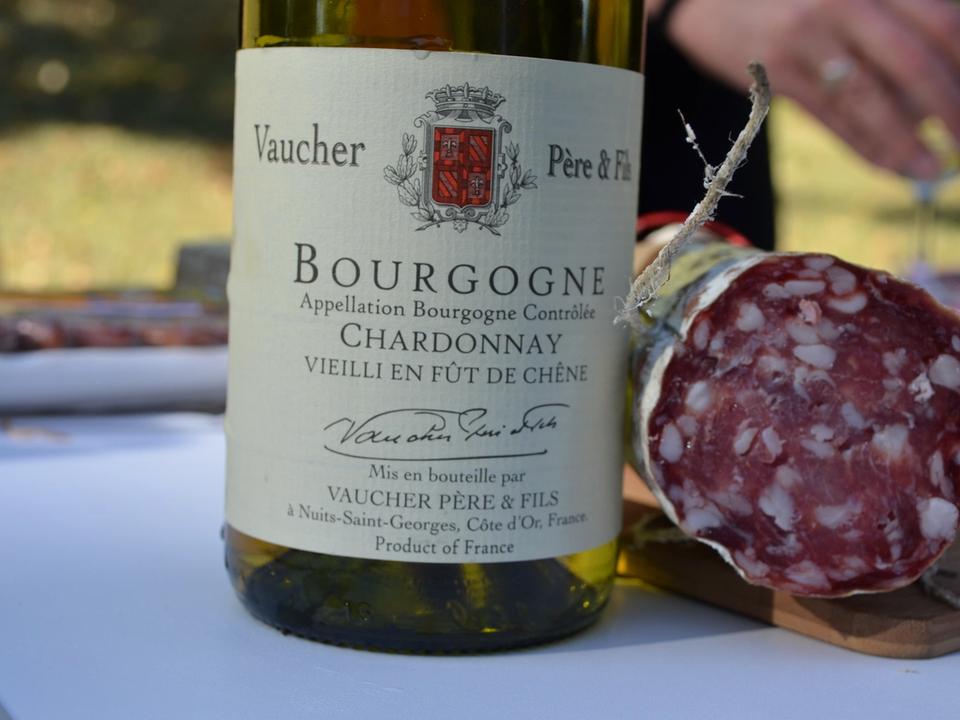
Luxury cycling holiday in Burgundy with scenic backroads, vineyard rides, exceptional food and wine, and stays in beautiful boutique hotels. Slow, indulgent, unforgettable.
Cycling between wine villages like Gevrey-Chambertin, Vosne-Romanée, and Meursault includes stops at family domaines for tastings. Beaune's restaurants range from traditional bistros to Michelin-starred establishments, all showcasing Burgundian terroir.
Culinary highlights: Pinot Noir, boeuf bourguignon, escargot, époisses cheese
Best time: September-October (harvest season)
Don't miss: Les Trois Glorieuses wine auction weekend (November)
Spain's Basque region combines traditional cuisine with avant-garde innovation. San Sebastián boasts more Michelin stars per capita than anywhere except Kyoto, while pintxos bars serve creative small plates perfect for hungry cyclists.
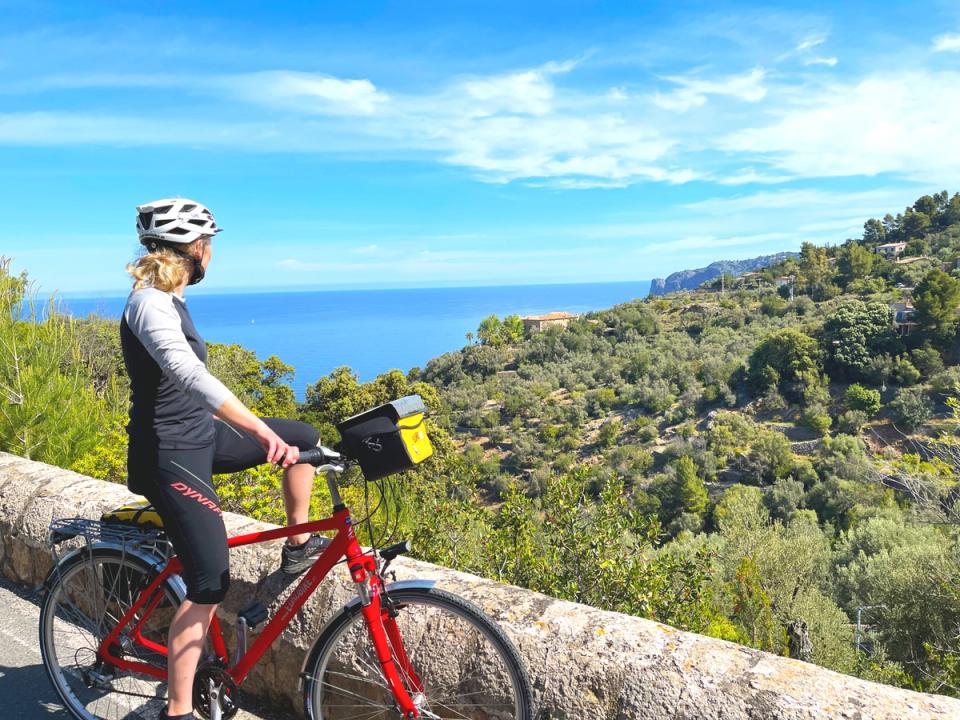
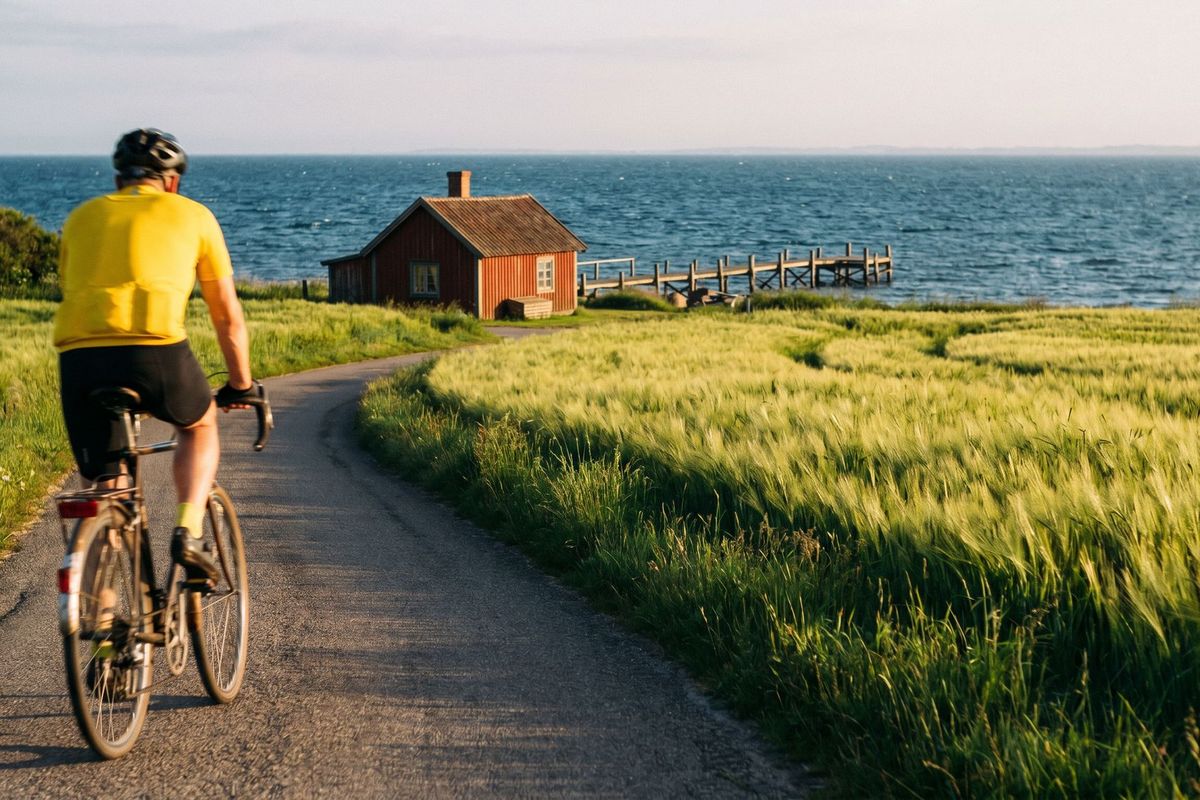
Discover Mallorca’s top cycling trails, combining coastal beauty, mountain landscapes, and welcoming hotels for a relaxing yet adventurous cycling holiday.
Cycling the coastal routes and inland wine country includes stops at cider houses (sidrerías), pintxos bar-hopping, and potentially booking tables at world-renowned restaurants. The combination of Atlantic seafood, mountain produce, and culinary creativity creates unforgettable experiences.
Culinary highlights: Pintxos, txakoli wine, grilled fish, Idiazabal cheese
Best time: May-June, September-October
Don't miss: Parte Vieja pintxos bars in San Sebastián
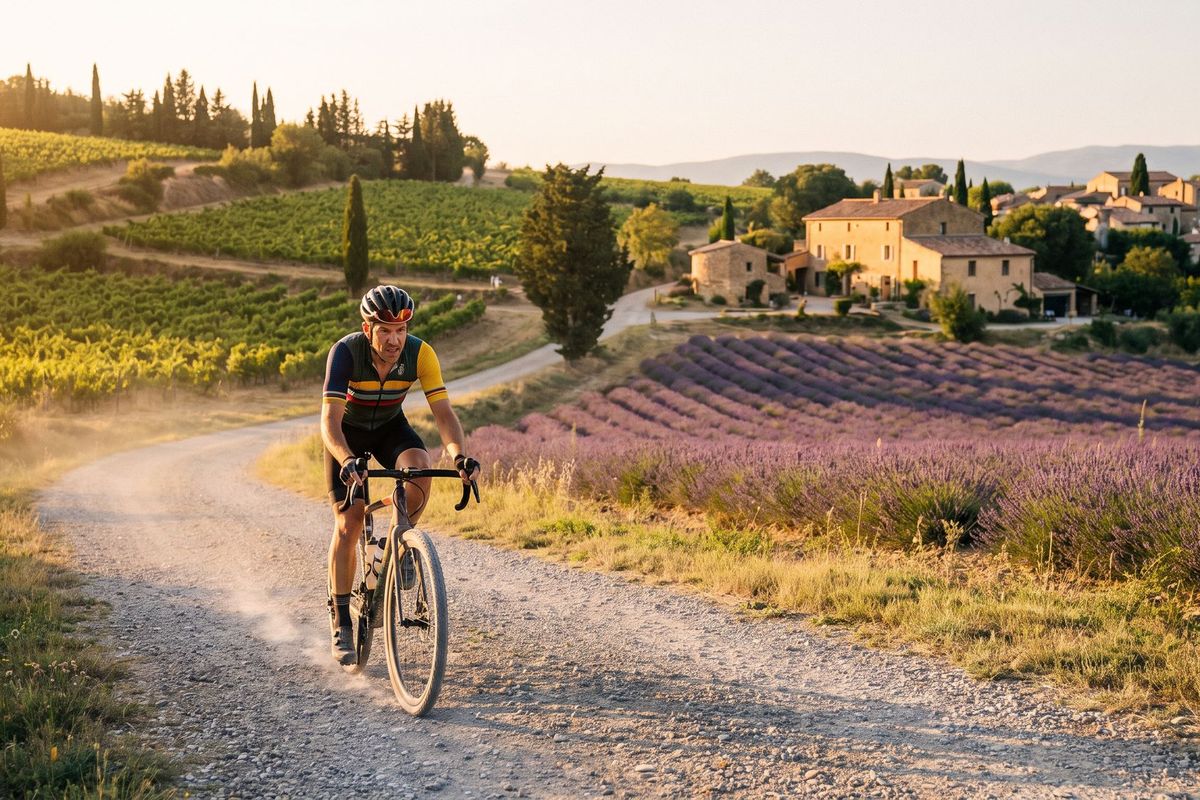
Provençal cuisine celebrates Mediterranean simplicity; olive oil, garlic, tomatoes, herbs, and seafood. Cycling through lavender fields and vineyard hills includes market stops showcasing seasonal produce, afternoon wine tastings, and evening dining at countryside restaurants.
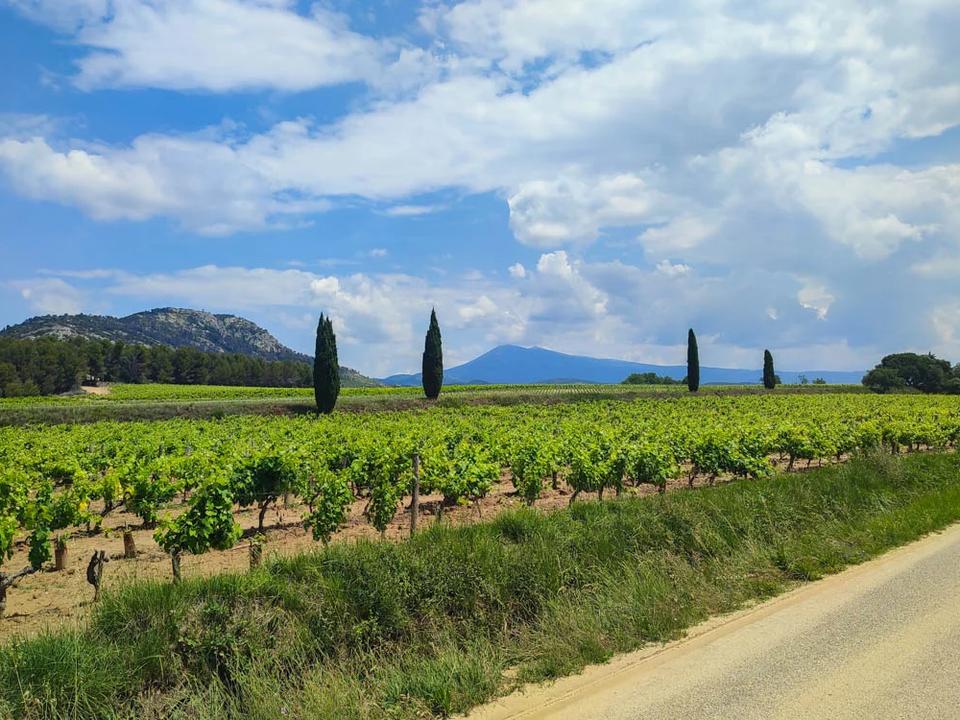
Cycle through the heart of Provence on quiet routes linking Orange, Avignon, Saint Rémy and L’Isle sur la Sorgue. Roman history, vineyard landscapes and classic Provençal towns, all at an unhurried pace.
Rosé wine dominates (and deserves its reputation when locally produced), while dishes like bouillabaisse, ratatouille, and tapenade showcase regional ingredients. Summer brings market abundance; melons, tomatoes, peaches, figs - perfect for picnic lunches between cycling sections.
Culinary highlights: Rosé wine, ratatouille, bouillabaisse, tapenade
Best time: May-June, September
Don't miss: Morning markets in Aix-en-Provence or L'Isle-sur-la-Sorgue
Tuscan cuisine emphasises quality ingredients treated simply. Cycling through Chianti wine country and Val d'Orcia includes visits to wine estates, olive oil mills, and traditional trattorias serving recipes unchanged for centuries.
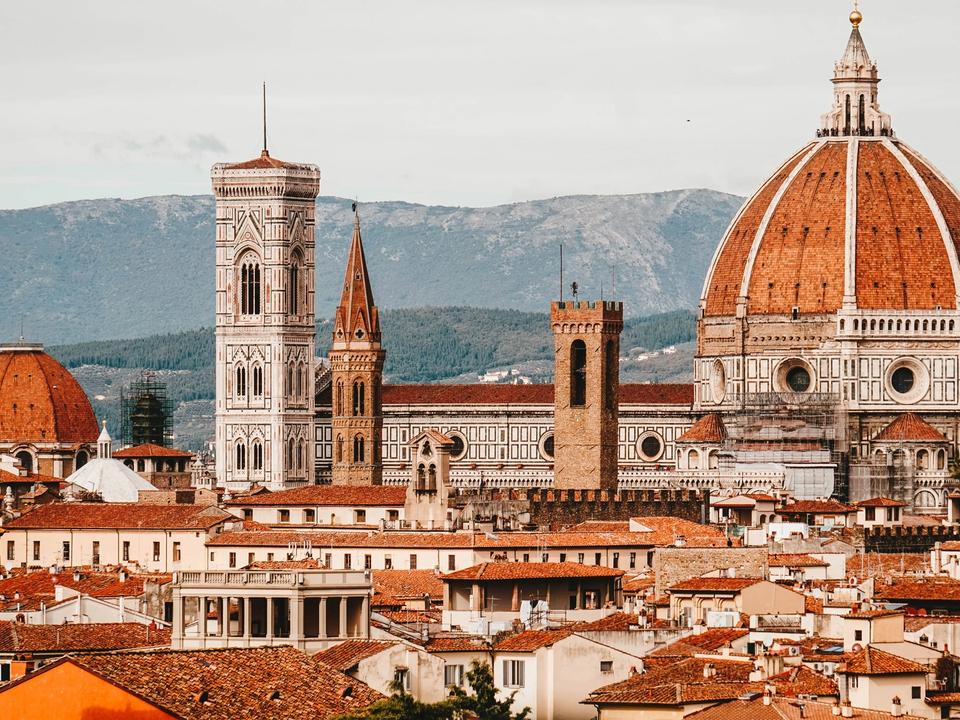
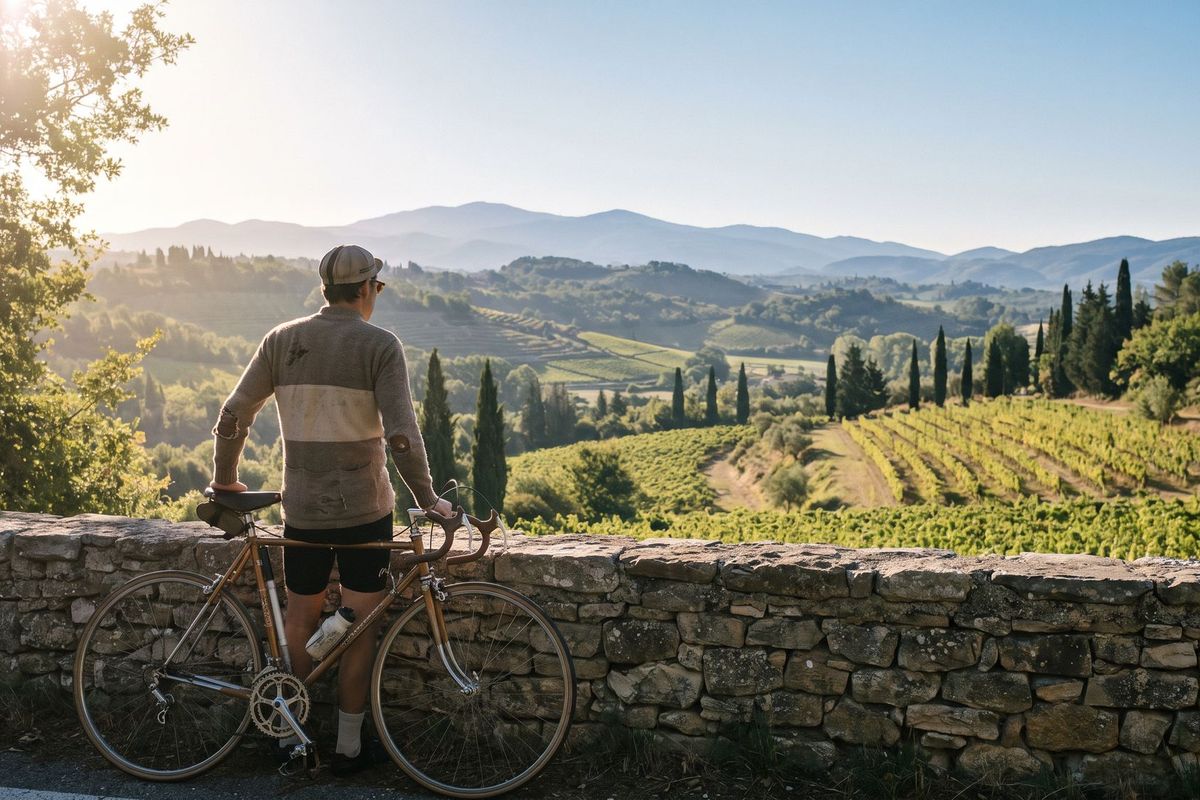
Cycle from Pisa to Florence in 5 days through Tuscan vineyards, olive groves and the grand villas of Lucca, finishing at the Ponte Vecchio.
Bistecca alla fiorentina (massive T-bone steak), pici pasta with ragù, ribollita (bean soup), and countless pecorino cheese varieties showcase Tuscan agricultural excellence. The region's agriturismo culture means farm-to-table dining becomes the norm rather than exception.
Culinary highlights: Chianti Classico, olive oil, bistecca, pici pasta
Best time: April-June, September-October
Don't miss: Olive oil tasting at traditional frantoio (mill)
European cycling routes pass countless wine estates welcoming visitors. Book ahead for private tastings and cellar tours at prestigious properties, or spontaneously stop at smaller producers displaying "degustation" signs. Cycling between tastings works beautifully, exercise metabolises alcohol and prevents over-indulgence.
Many tour operators arrange cooking classes—learning to make fresh pasta in Tuscany, preparing bouillabaisse in Provence, or crafting pintxos in Basque Country. These hands-on experiences create skills you'll use at home while providing cultural immersion impossible through restaurant dining alone.
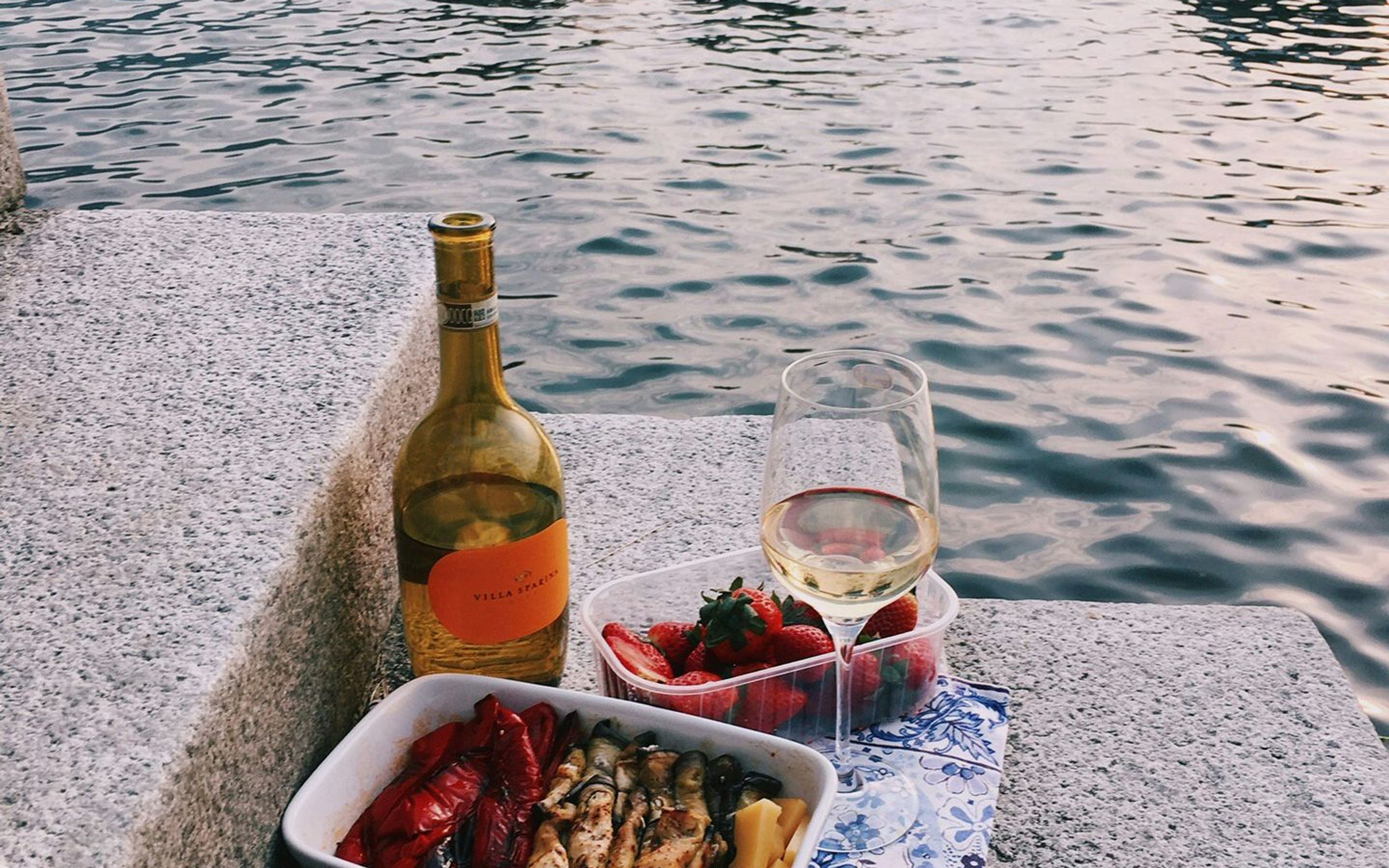
European markets offer incredible produce, cheeses, charcuterie, and baked goods. Cycling tours often include market stops where you'll select picnic components; local cheese, crusty bread, seasonal fruit, perhaps wine - creating memorable al fresco lunches in beautiful settings.
Cycling justifies Michelin-starred splurges. That €150 tasting menu becomes earned celebration rather than guilty extravagance. Many cycling regions host world-class restaurants, book ahead for special occasion dining rewarding week's cycling efforts.
Don't overlook simple pleasures, gelato stops in Italian villages, crêpes in French towns, churros con chocolate in Spanish squares. These affordable treats create daily highlights and provide necessary cycling fuel disguised as indulgence.
Large lunches can make afternoon cycling sluggish. Many cyclists prefer lighter midday meals - salads, sandwiches, moderate portions - saving appetite for evening dining when cycling finishes. However, energy demands require substantial breakfast and consistent snacking.
Wine tastings and evening drinks enhance experiences but can affect next-day cycling. Moderation and hydration prevent hangovers ruining morning rides. Professional wine tasting includes spittoons for reason - you'll enjoy and learn without overindulgence.
European food culture accommodates dietary needs increasingly well. Vegetarian options proliferate, gluten-free awareness grows, and vegan choices expand. Communicate requirements when booking, tour operators inform restaurants ensuring appropriate meals.
Cycling holidays create permission for indulgence through earned effort. The combination of physical activity, beautiful landscapes, and exceptional food creates holistic experiences engaging body, mind, and palate completely.
You'll return home fitter despite indulging, the cycling more than compensates for culinary excess. More importantly, you'll have discovered food in context—regional wines drunk where grapes grow, cheeses eaten near grazing pastures, seafood fresh from nearby waters.
This integrated experience of movement and taste creates understanding impossible from isolated restaurant visits. You'll appreciate why that Barolo tastes different in Piedmont vineyards, why Provençal rosé shines in Mediterranean sunshine, and why simple Italian pasta requires no elaboration when ingredients achieve perfection.
Start planning your cycling and cuisine adventure today. European food tastes best when earned through cycling.